Analogical Arts – surviving post pandemic virtual reality
The economic contribution of the UK ‘creative industries’, as measured by Gross Value Added (GVA), grew four times faster than that of the UK economy as a whole, according to provisional official statistics.
Creative industries GVA increased from 2023 to 2024 by an estimated 4.6 per cent, in comparison to the UK economy as a whole, which grew by 1. per cent, with the result that creative industries GVA made up about 5.5 per cent of GVA across the whole economy.
In the longer term, from 2010 to 2024 creative industries GVA also grew faster than the UK economy (60.3 per cent vs. 24.3 per cent).
The DCMS, which published the data, has grouped the Standard Industrial Classification (SIC) codes defining the creative industries into nine distinct subsectors, grouped by policy themes. Looking at these subsectors (also charted in Figure 5):
- The increase in creative industries GVA between 2023 and 2024 was driven by the ‘IT, software and computer services’ subsector which grew by an estimated 8.7 per cent, with the next largest positive contributions from the ‘Film, TV, radio and photography’ and ‘Advertising and marketing’ subsectors which increased by 4.6 per cent and 2.1 per cent respectively.
- The largest relative increases in creative industries GVA from 2023 to 2024 were the ‘IT, software and computer services’ subsector, and the ‘Architecture’ subsector, which grew by an estimated 8.7 per cent and 6.8 per cent respectively.
- ‘IT, software and computer services’ is the largest subsector component of the Creative Industries by GVA, contributing an estimated £62.4bn in 2024. It is more than twice the size of the next largest subsector ‘Advertising and marketing’ (£24.3bn).
Against this digital landscape, analogue arts are growing unevenly against the digital tide, facing a raft of challenges. With early signs of marginal digital fatigue in the post-pandemic creative economy, people seek tangible, screen-free, and richer, resonant recording experiences, but the pathway for sustainabilty it a tough one for the traditionally driven crafts-based artisan.
Key growth areas include vinyl records, film photography, metal plate photography, printmaking, board games, and live artisanal crafts, driven by consumer demand for authenticity, mindfulness, and tactile connection in a digital-first world. Main growth is pinned to IT and Ai sectors of digital media.
Remergeance
Emerging analogue arts growth areas thrive on tactile nostalgia and digital fatigue. Key sectors driving this economic post-pandemic phase include vinyl records, high-end film photography, printmaking, and physical board games. Consumers seek tangible, authentic experiences to counter digital saturation.
Tintype and Alternative Photography
- Bespoke Portraiture: Tintype studios command premium pricing for one-of-a-kind, archival metal plate portraits.
- Chemical Experientialism: Consumers pay for the live experience of watching silver halide images develop under red light.
- Luxury Branding: High-end fashion and editorial campaigns adopt nineteenth-century techniques for unique visual textures.
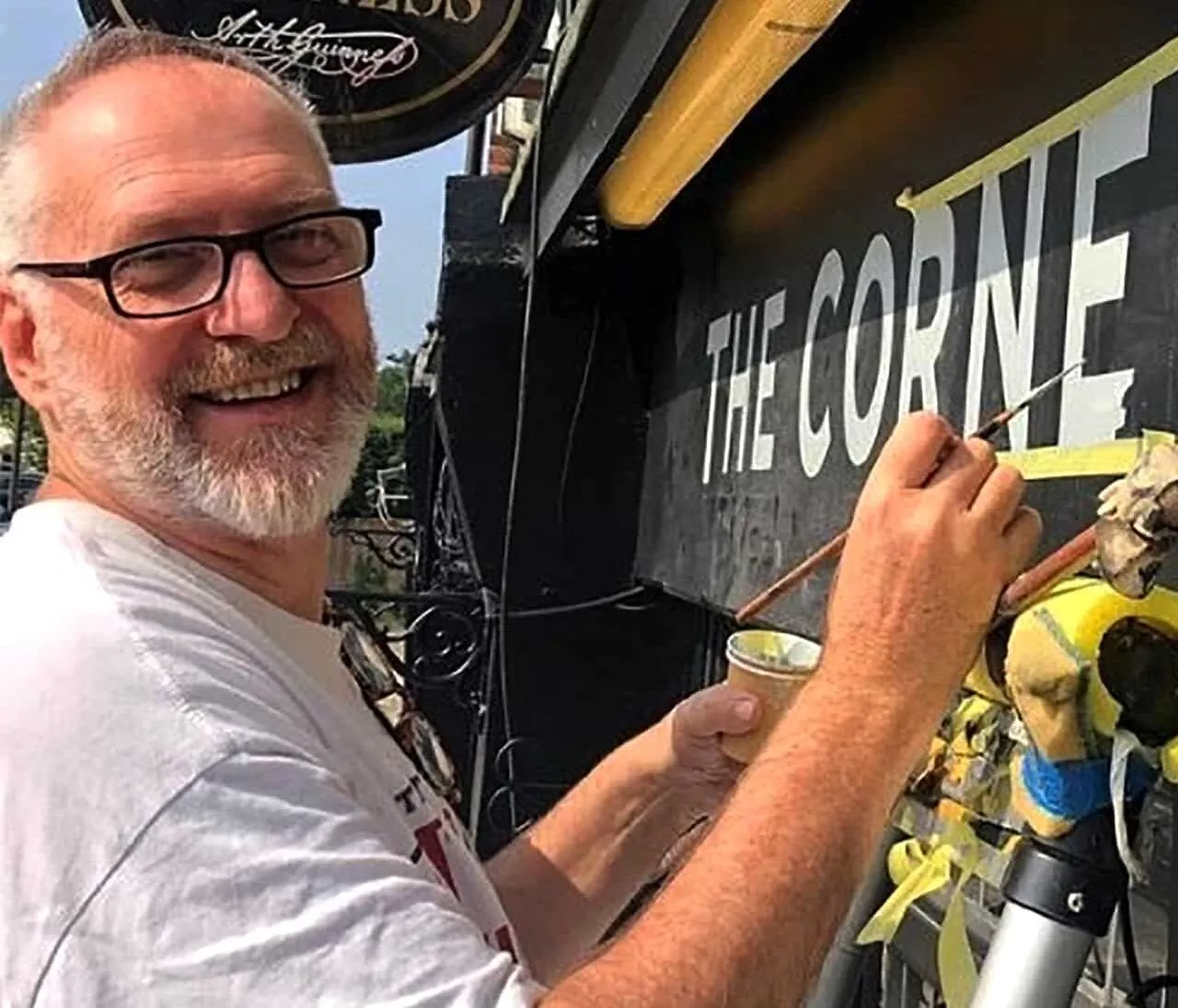
Traditional Sign Writing and Gold Leafing
- High-Street Premiumisation: Brick-and-mortar businesses use hand-painted signs to visually signal authenticity and quality.
- Gold Leaf Guilding: Luxury retail, bars, and restaurants invest heavily in traditional glass gilding to stand out.
- Preservation Crafts: Urban regeneration projects increasingly fund the restoration of historic “ghost signs” on commercial property.
Letterpress and Experimental Typography
- Tactile Branding: Premium packaging, business stationary, and spirit labels use deep-impression letterpress printing for physical texture.
- Wood Type Revival: Designers collect and restore large-scale vintage wood blocks for physical poster production.
- Hybrid Workflows: Artists combine digital layout tools with physical letterpress plates to bridge new and old media.
Community Print Shops and Risograph
- Creative Hubs: Co-working print studios operate on membership models, lowering the entry barrier for expensive machinery.
- Risograph Renaissance: Illustrators favor the distinct, imperfect, soy-ink layering of Riso printers for affordable print runs.
- Independent Art Fairs: Small-press book fairs and zine markets provide direct-to-consumer monetization for analogue printmakers.
2026 going forward
The post-pandemic creative industry is in a state of unequal and fractured recovery. While digital and corporate-backed sectors are booming, the live arts and freelance labor models remain in chronic financial precarity. The pandemic acted as a stress test that exposed deep structural “pathologies”—chronic underfunding, lack of safety nets, and reliance on unpaid labor—that persist today.
Financial and Labor Realities
- Deepened Disparities: A wide gap separates major commercial entities and digital content platforms from grassroots live performance and physical arts. [1]
- Freelance Precarity: Most independent artists still rely on unprotected portfolio careers with short-term contracts and low pay. [1, 2]
- Burnout and Exodus: Chronic financial instability and mental health strains have driven many early-career and marginalized workers out of the sector entirely. [1, 2]
Structural Shifts and Adaptations
- Hybrid Operations: Many organizations have adopted permanent digital or hybrid presentation models to broaden access and build resilience. [1]
- Value Re-evaluation: Communities increasingly recognize the arts as vital public health and social cohesion resources, prompting local cross-sector partnerships. [1, 2]
- Systemic Critique: Workers are increasingly rejecting “artistic work exceptionalism”—the idea that passion justifies poor pay—leading to new forms of collective advocacy and a demand for structural reform. [1, 2]