
Best of London sign writing.
Cafe signs Hand Painted Signwriting
Nick Garrett
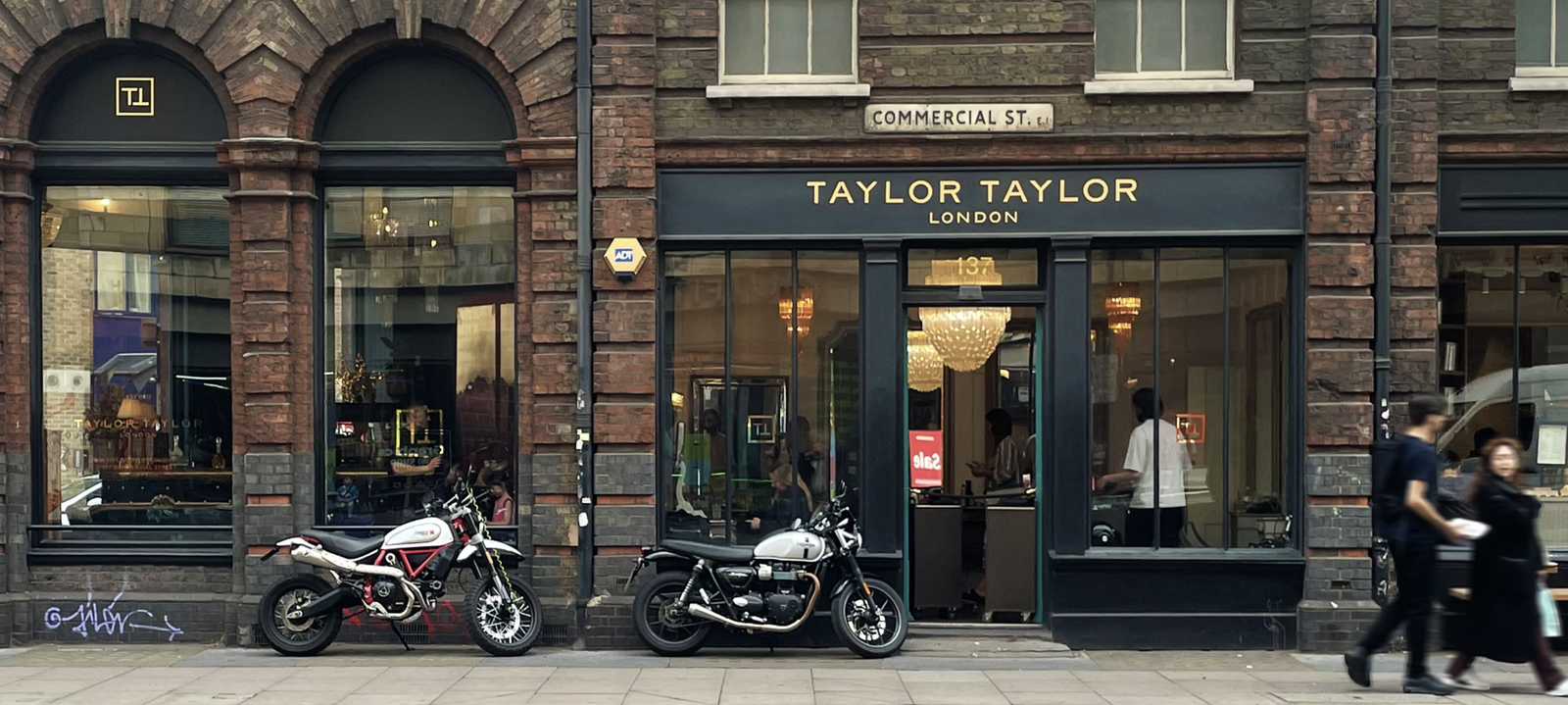
Very New… Very Traditional sign writing
From Shoreditch to Chelsea NGS Best of London Signwriting
Most brand designers today are digital-first. We bringing something tactile, authentic, and unique — which is a brand asset in itself.
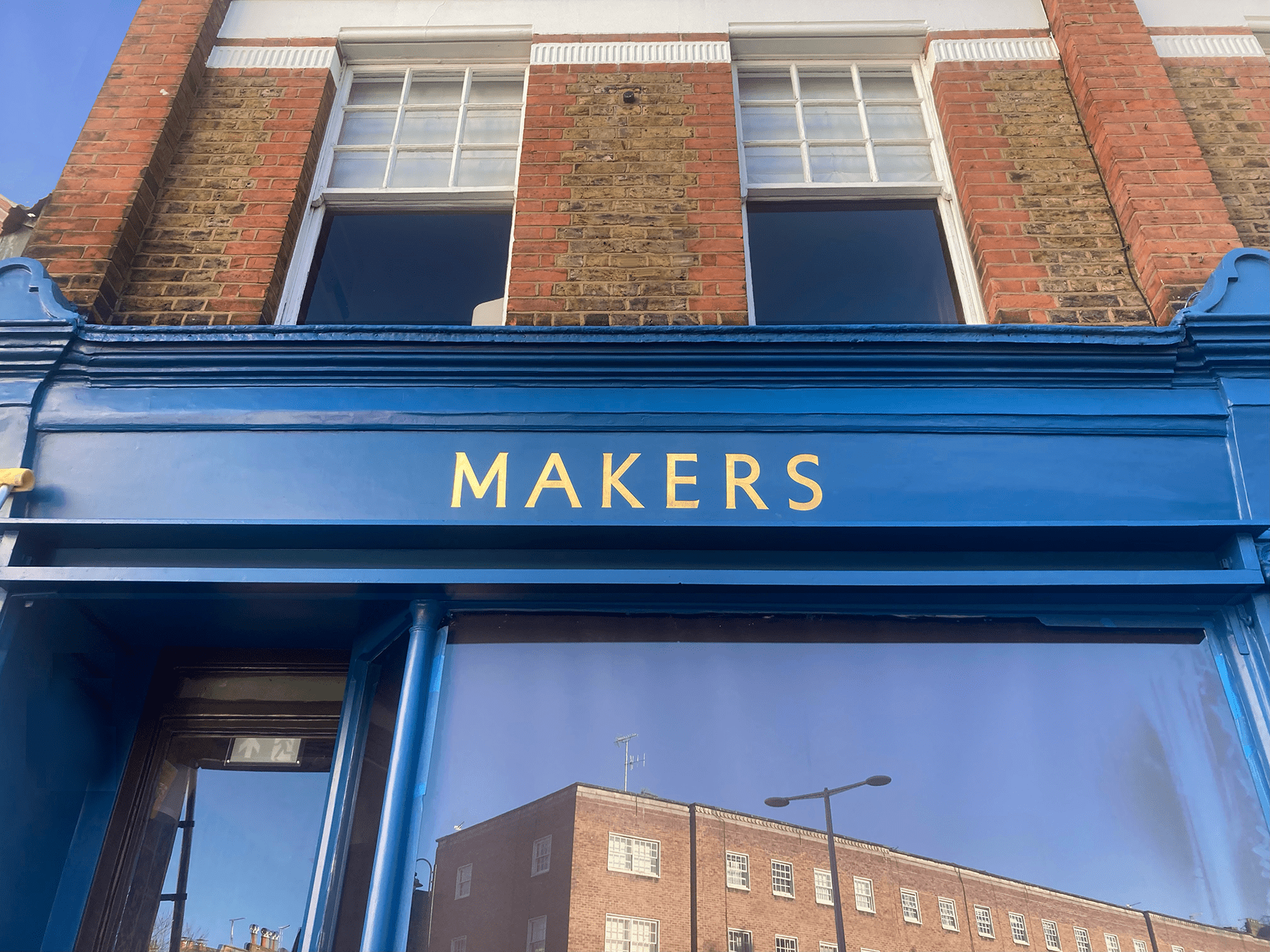
Call Nick for a quote today
07960113799
Ready to build your brand?
Let’s talk about your project today.
CONTACT PAGE
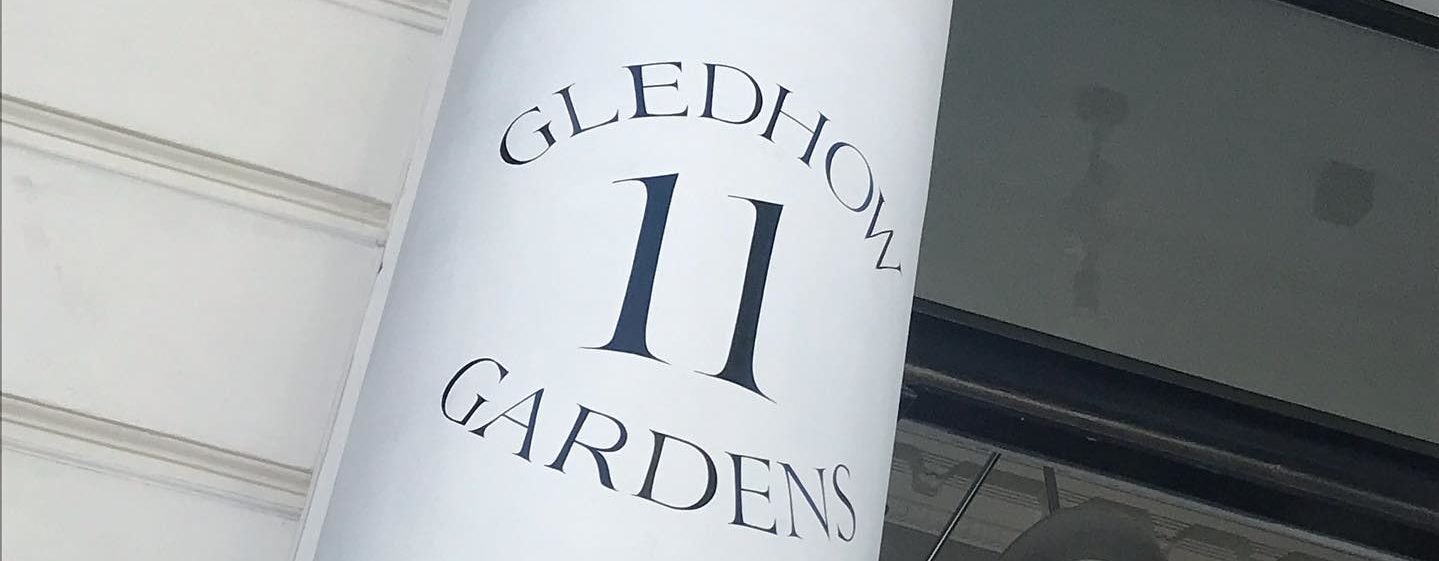
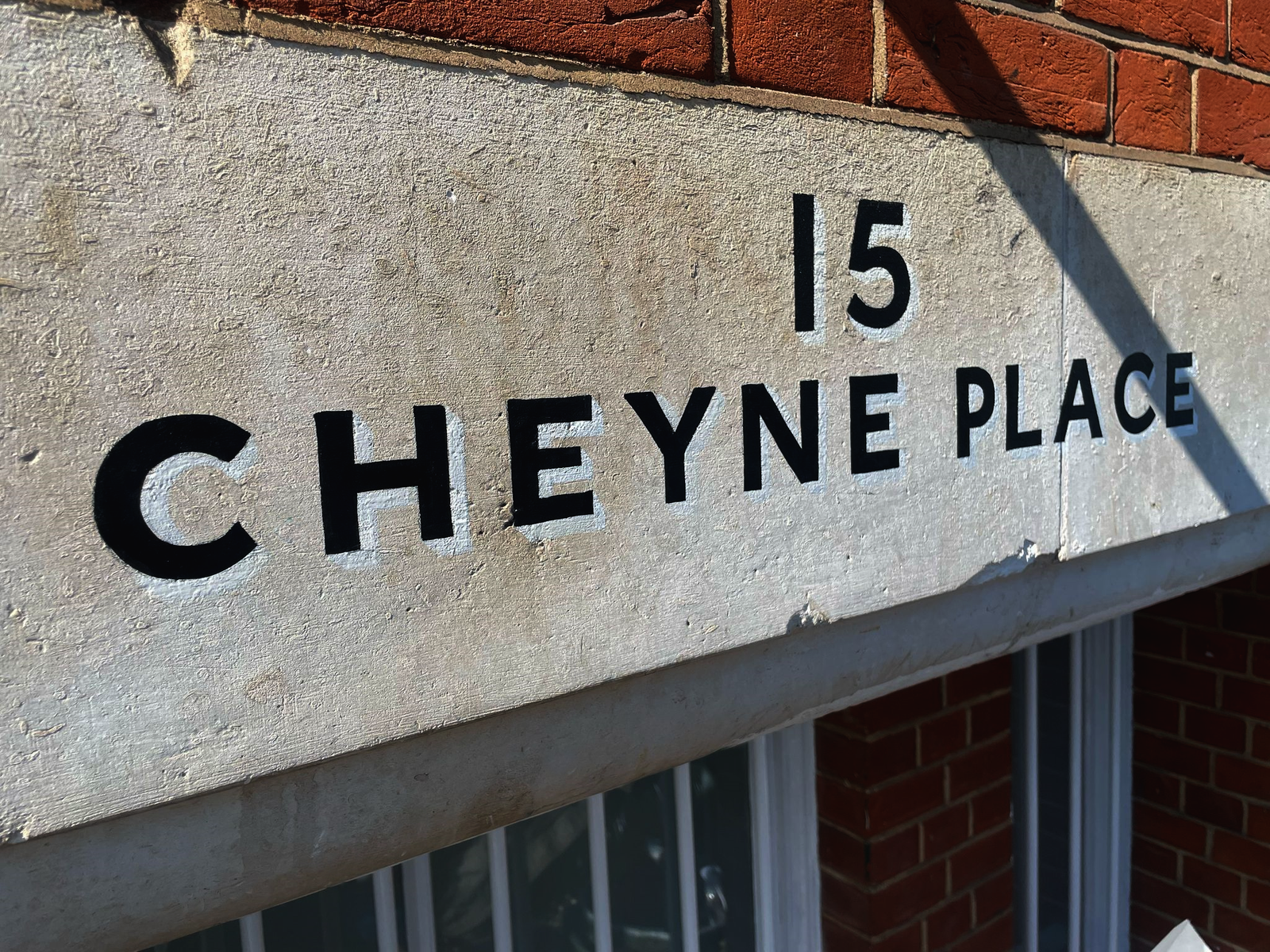
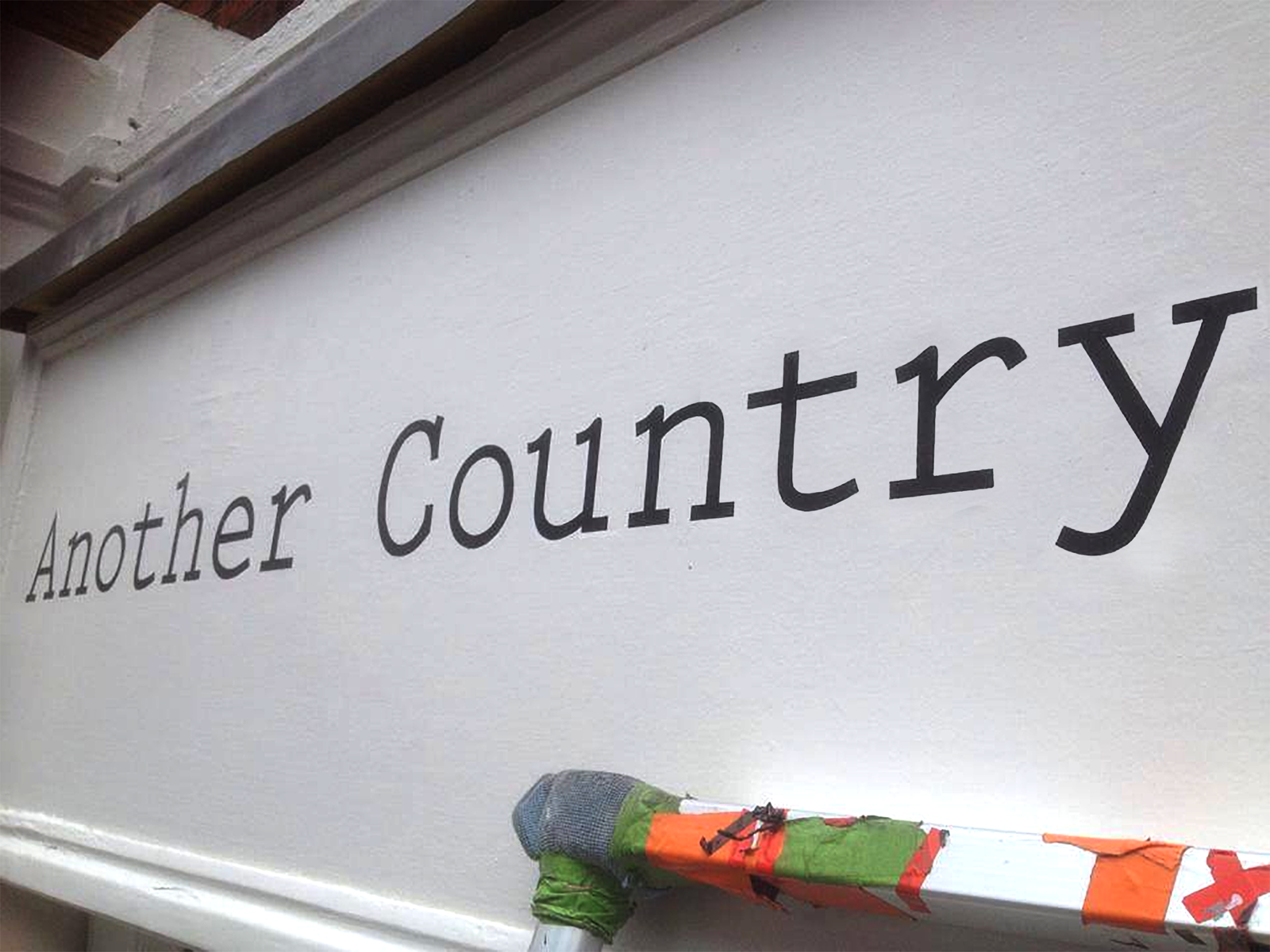

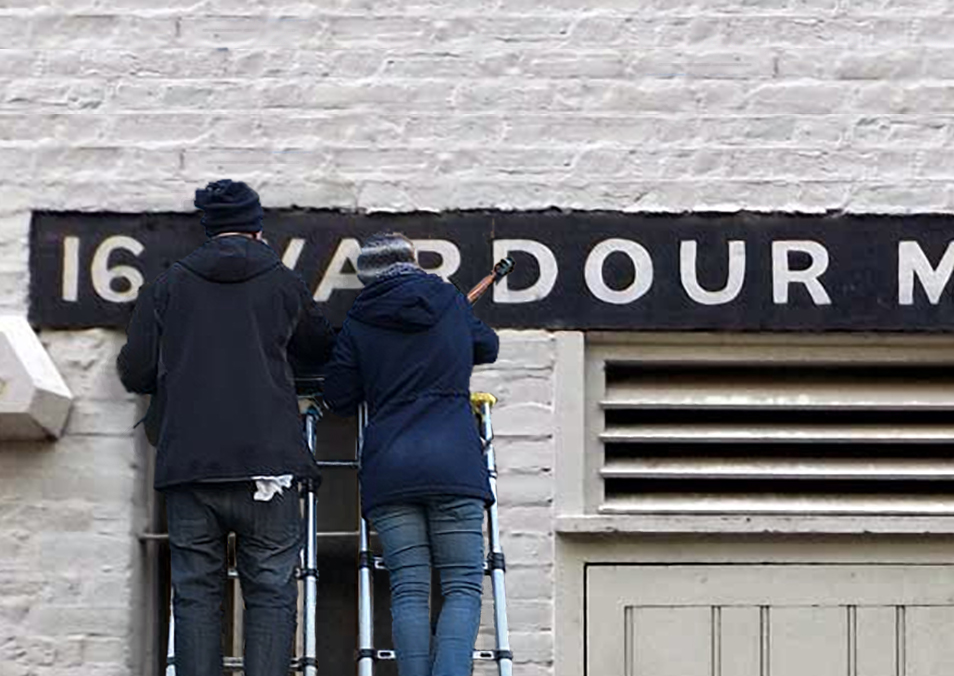
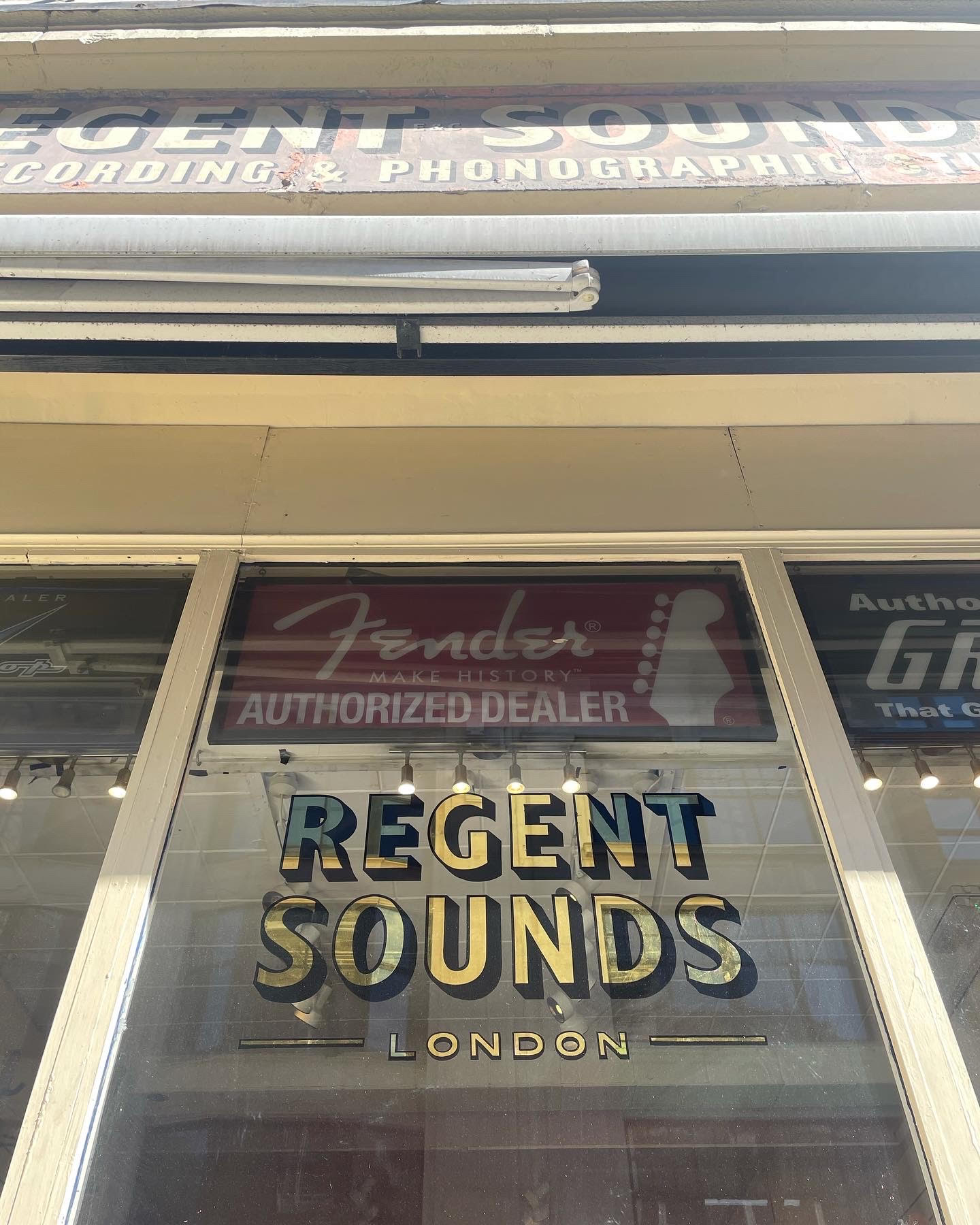
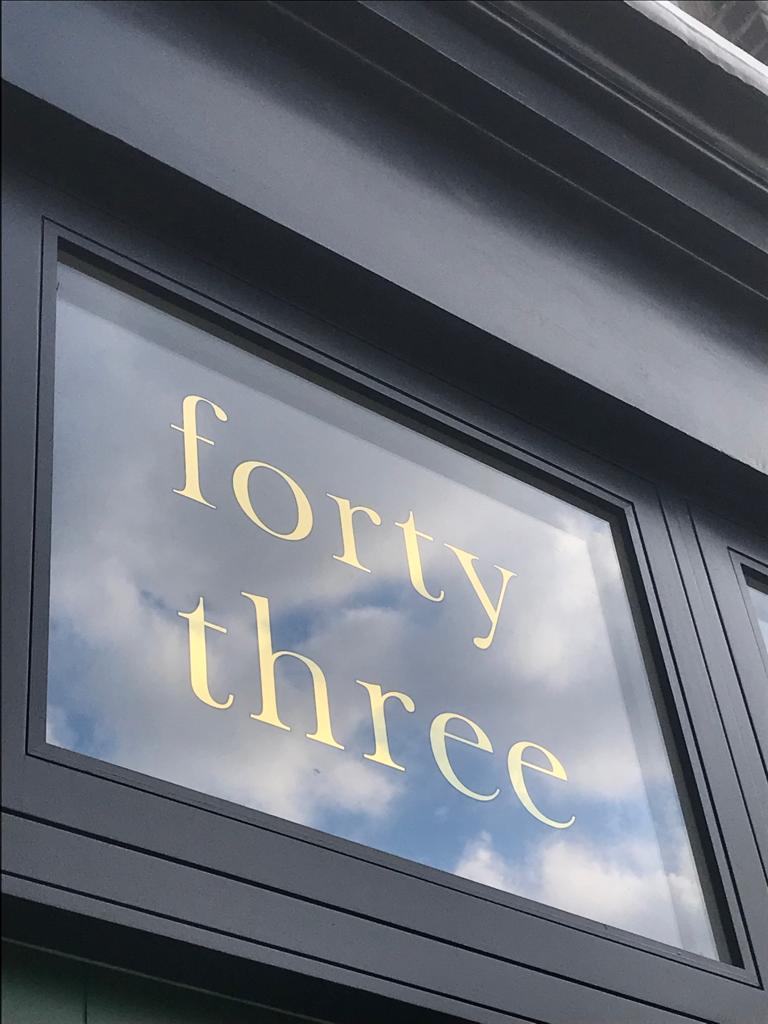
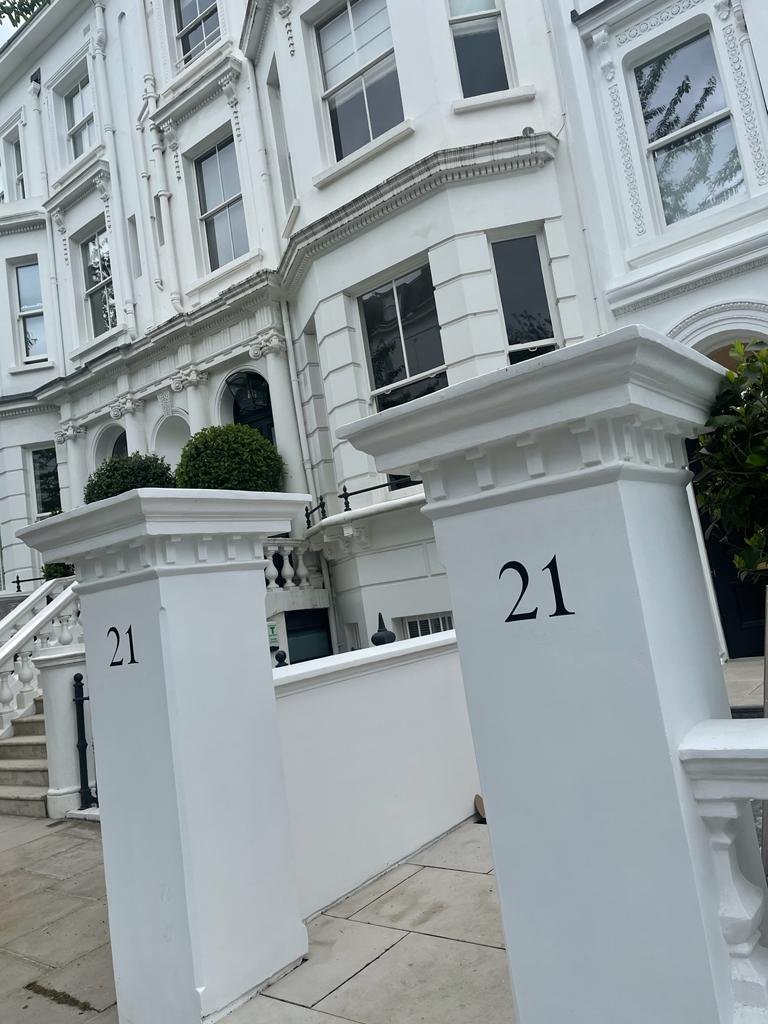

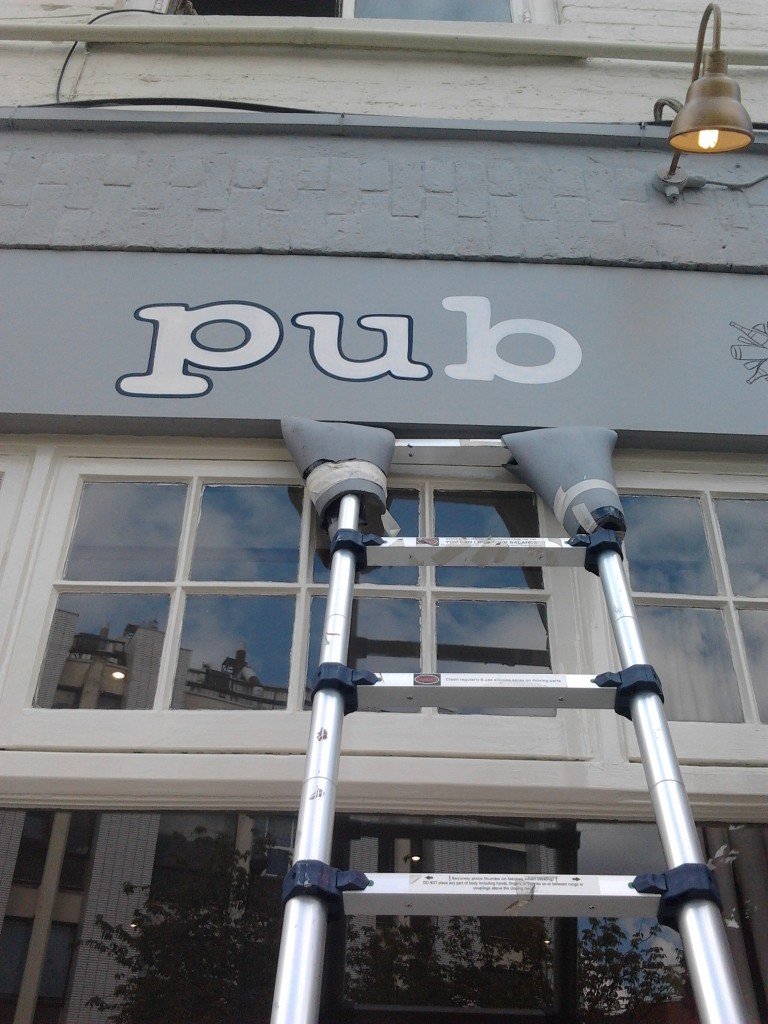
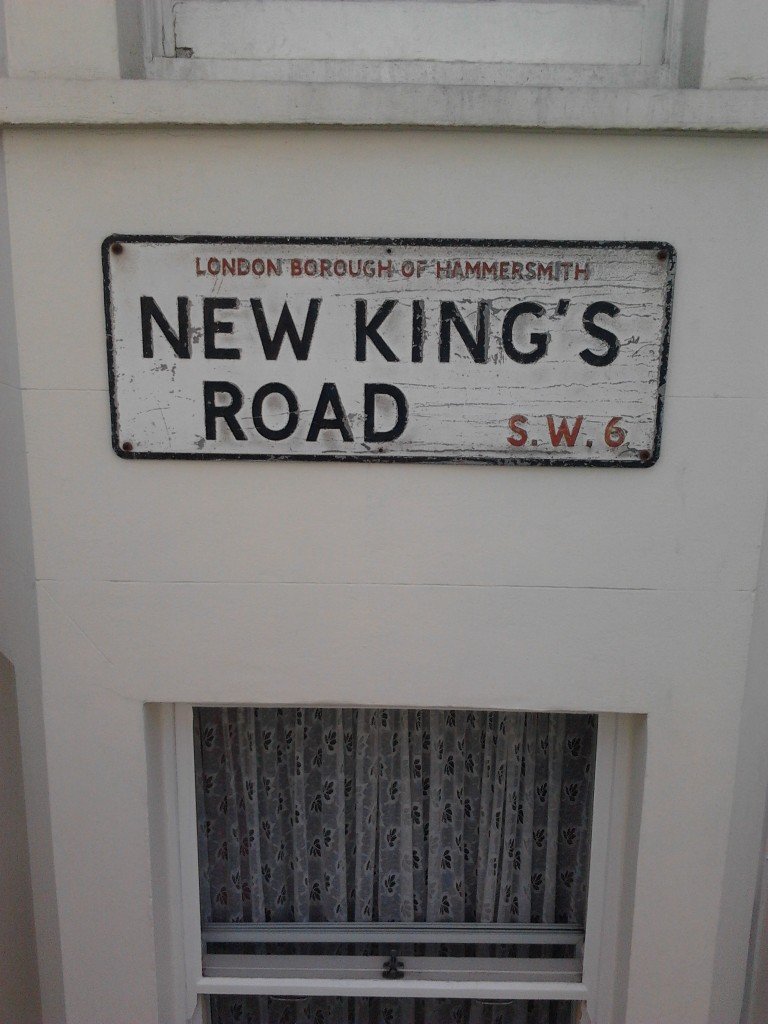

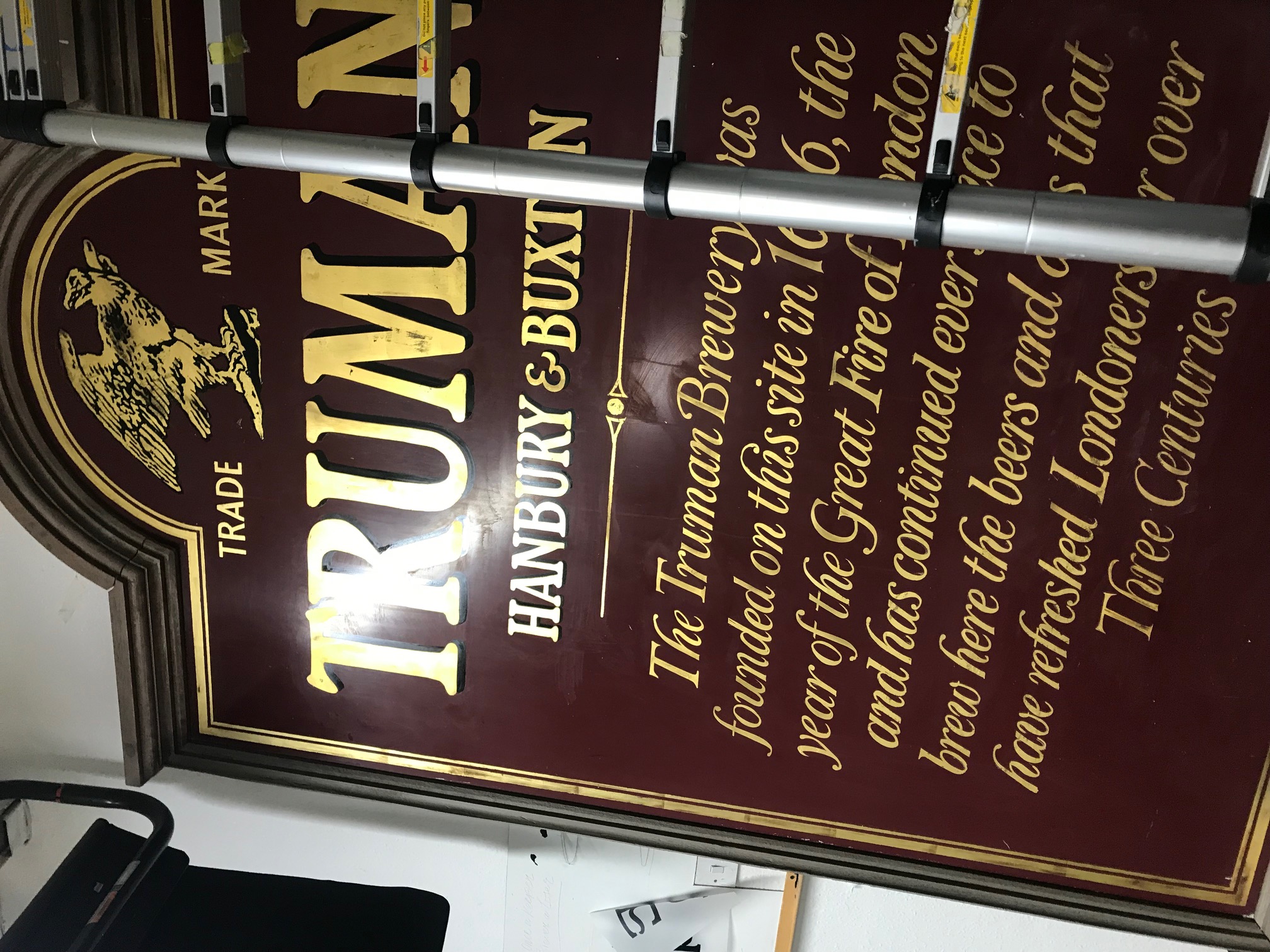







Gallery: Best of London sign writing

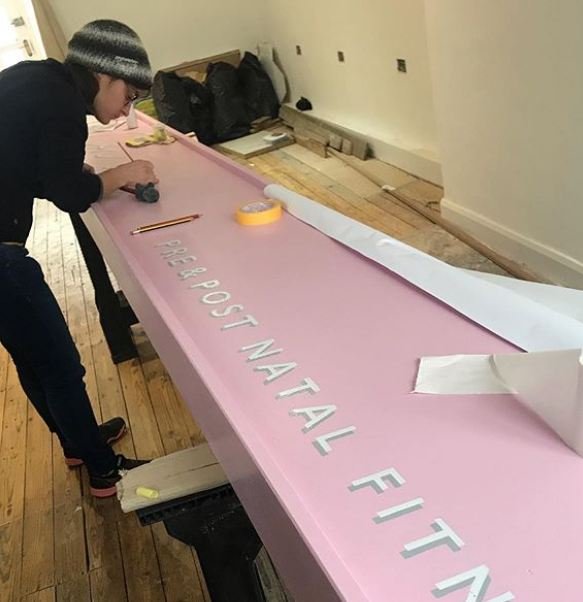

NGS RENOWNED LONDON SIGNWRITERS
Call Nick or Seraina for a quote for Best of London sign writing, House numbers or Shop signs today
07960113799
Gallery | Home
CONTACT US

A woman sign writer at Parsons Green
MARCH 17, 2012
We are interested in the opinion of women signwriters – have you found it difficult or easy accessing the profession?
NGS

A woman sign writer at Parsons Green during the Second World War – photograph
- Description:
- A woman signwriter works in London Transport’s Parsons Green building department during the Second World War. Women were needed in many areas of the company to take the place of men who had joined the armed forces.
- Production Date:
- 1939 – 1945
- ID no:
- LTM_1998/36119
- Maker:
- Photographer : Topical Press; Commissioner : Colin Tait
- Copyright:
- Transport for London
- The proportion of women in the workforce rose during the 20th century. In 1900 the British workforce included five million women, about a third of the total. By the end of the century it was over half – seven million women.There had also been a transformation in the sort of jobs undertaken by women. In 1900 most jobs were domestic service or other ‘semi-skilled’ activities. By the end of the century women had entered the professions and one had even risen to the highest political office: in 1979 Margaret Thatcher became Britain’s first woman Prime Minister.
War work
During both world wars women entered industry in larger numbers than ever before. At Woolwich Arsenal, London’s main armaments factory, the number of women employed before 1914 was negligible. Numbers rose to 9,400 in 1916 and 24,719 by 1917. Between 1914 and 1918 the number of women employed by the London and General Omnibus Company rose from 226 to 2,832.
At the end of the war many women objected to being ousted from their new jobs, which were supposed to be ‘returned’ to men.