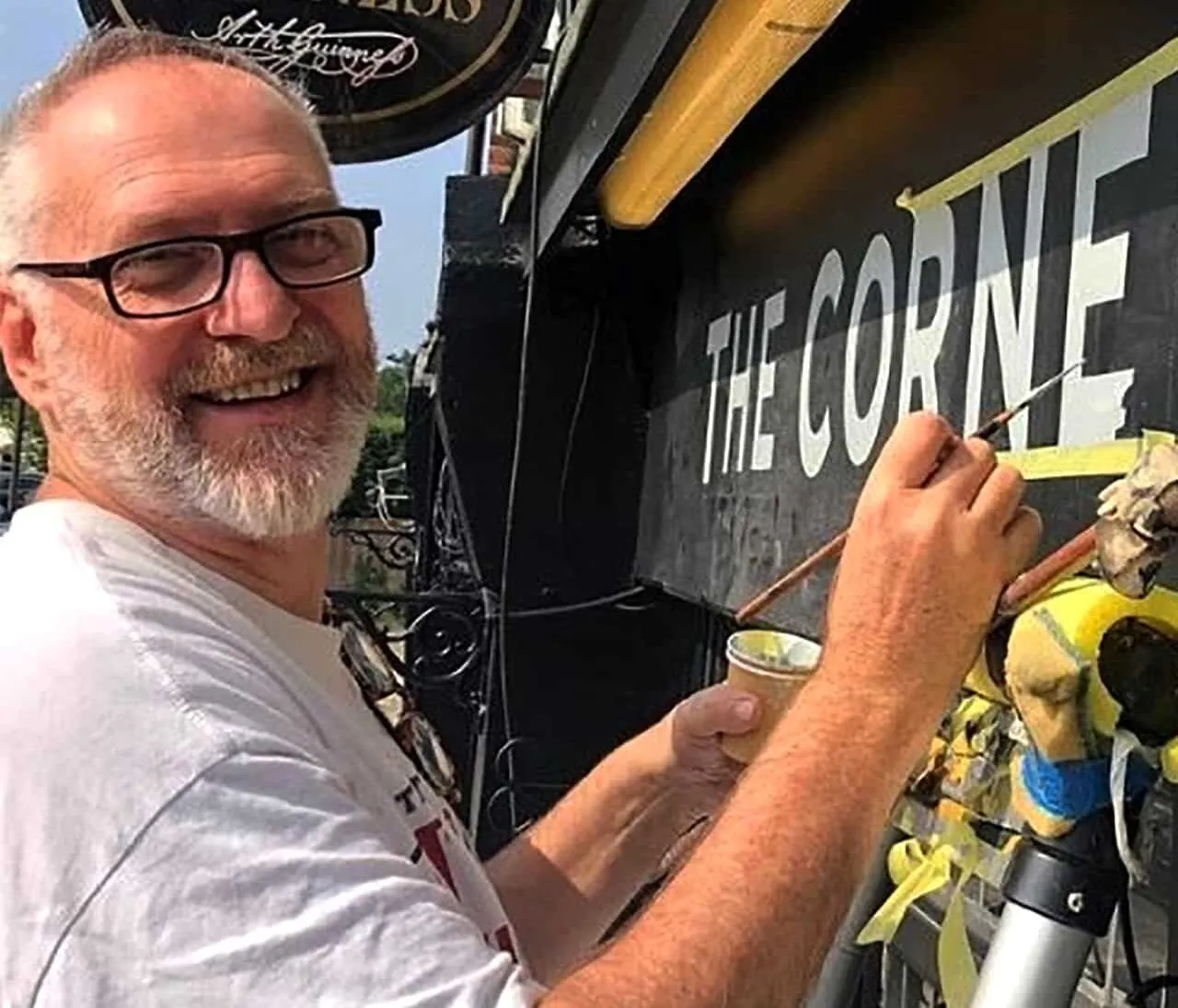
When you mind map, you engage in active learning rather than passive transcription. For example by utilizing digital media ‘vectors’ (nodes, lines, and directional arrows), you create a spatial topology of your knowledge. Your brain connects these mapped branches to physical space, forming a type of cognitive muscle memory. Working with vector graphics utilises similar, highly accurate, brain to muscle spatial referencing and mapping.
- Visual Nodes (Vectors): Provide anchor points. In the same way a vector defines a magnitude and direction in mathematics, a mind map vector gives a specific thought a defined position and relationship to the central idea. It enhances all aspects including brush work output.
- Kinesthetic Feedback: The physical act of drawing lines with pencil, brush or by digital media, fires procedural memory circuits in the brain, allowing the information to cross polenate and enhace skillsets. Vastly easier to recal, improve, reproduce artwork under pressure timelines.


The World of Lettering:
From Caslon to NGS Typesmith Fonts
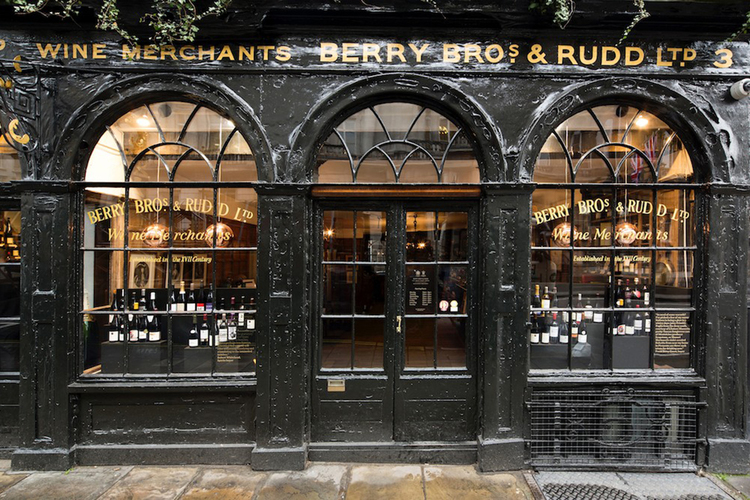
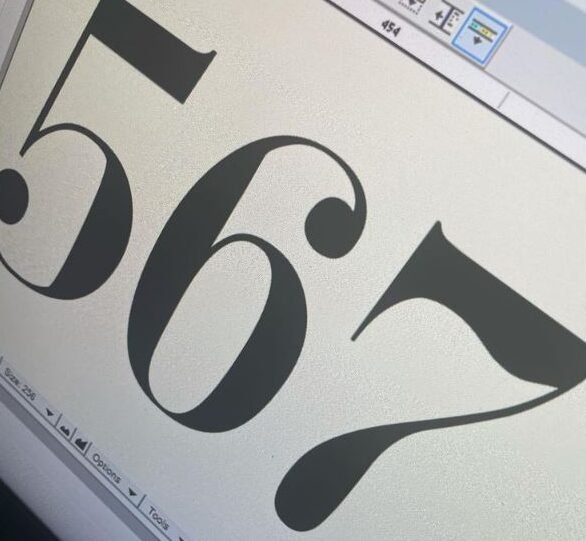
As part of our heritage type foundry NGS are developing a wide classic range of bespoke Humanist Fonts.
These include the meticulous NGS renderings of truecut original restored Edward Johnston, Baskerville, classic Soho signwriter block letters: Soho Bold, Revival Bodoni Parmese, Truecut Gill Sans and Truecut Trajan letters.
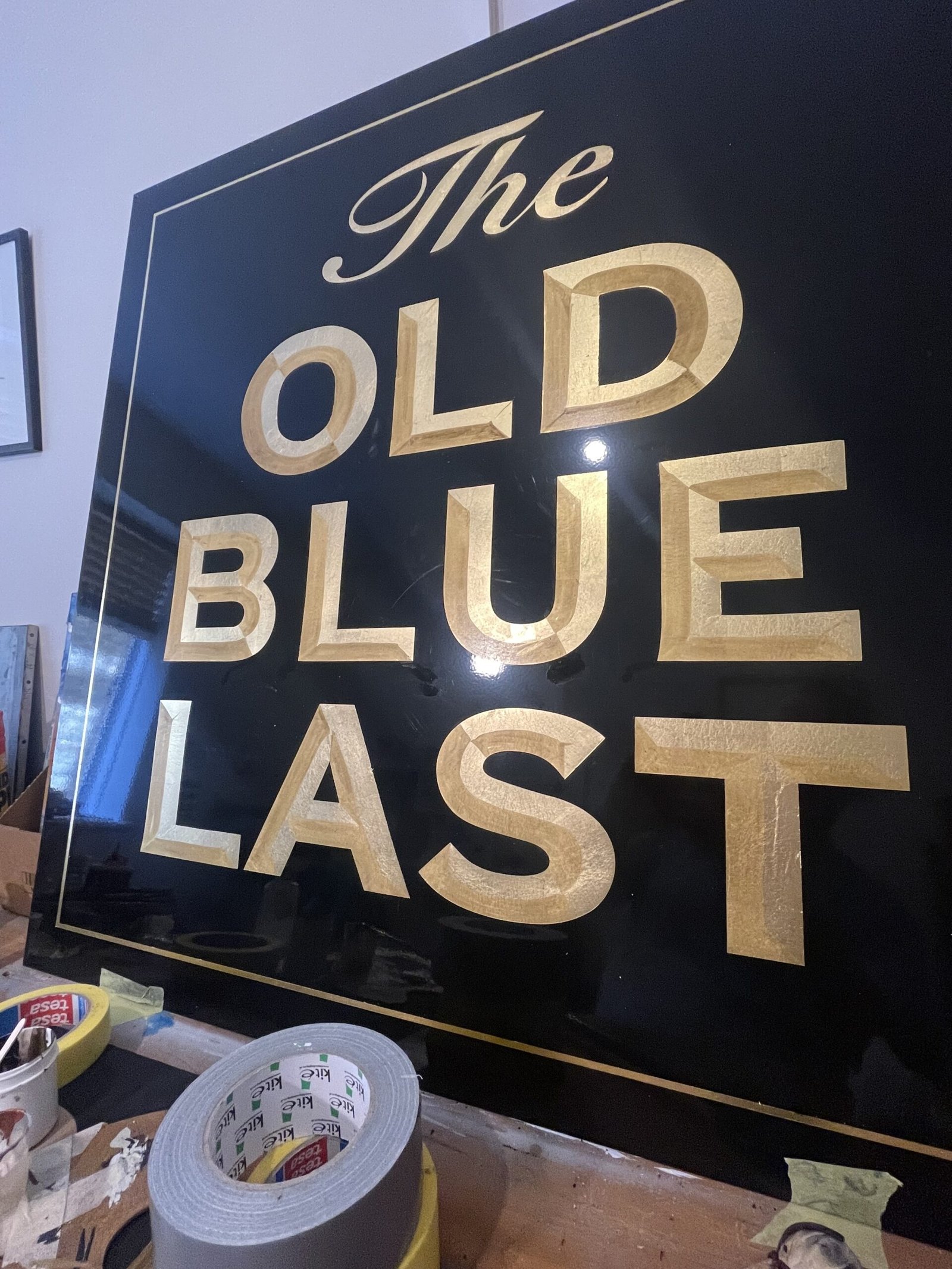
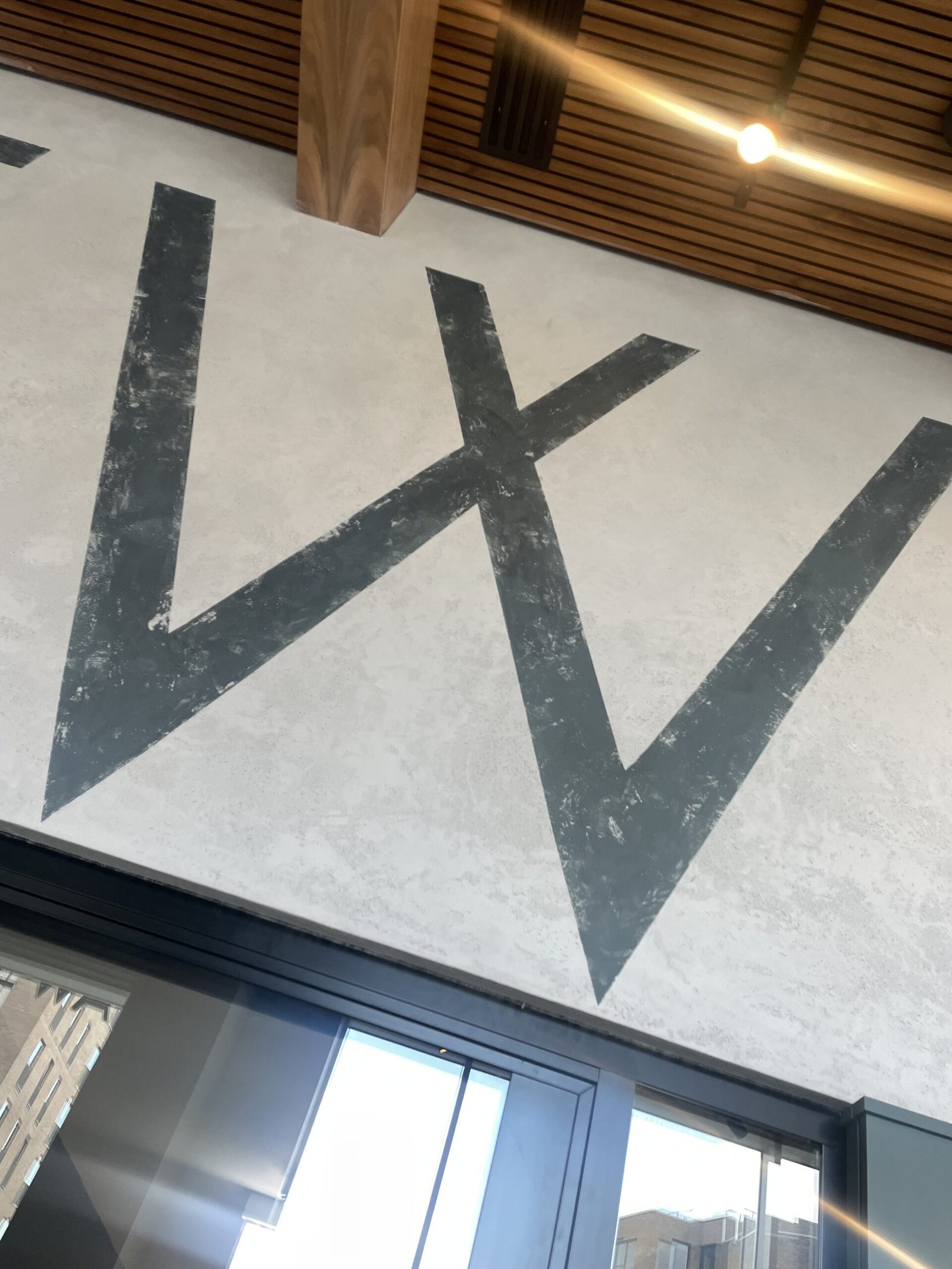
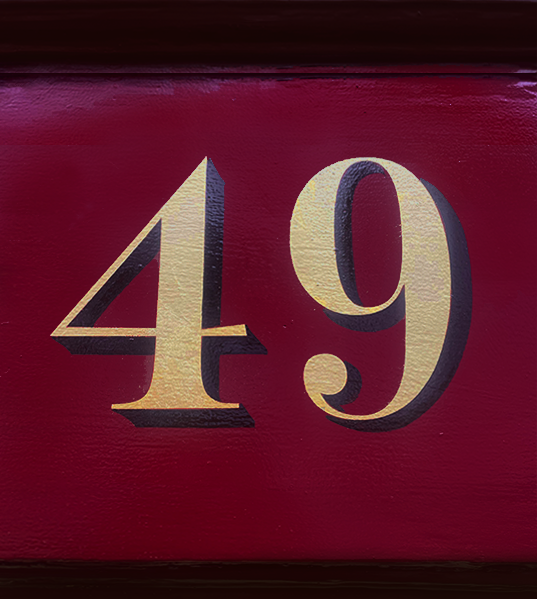
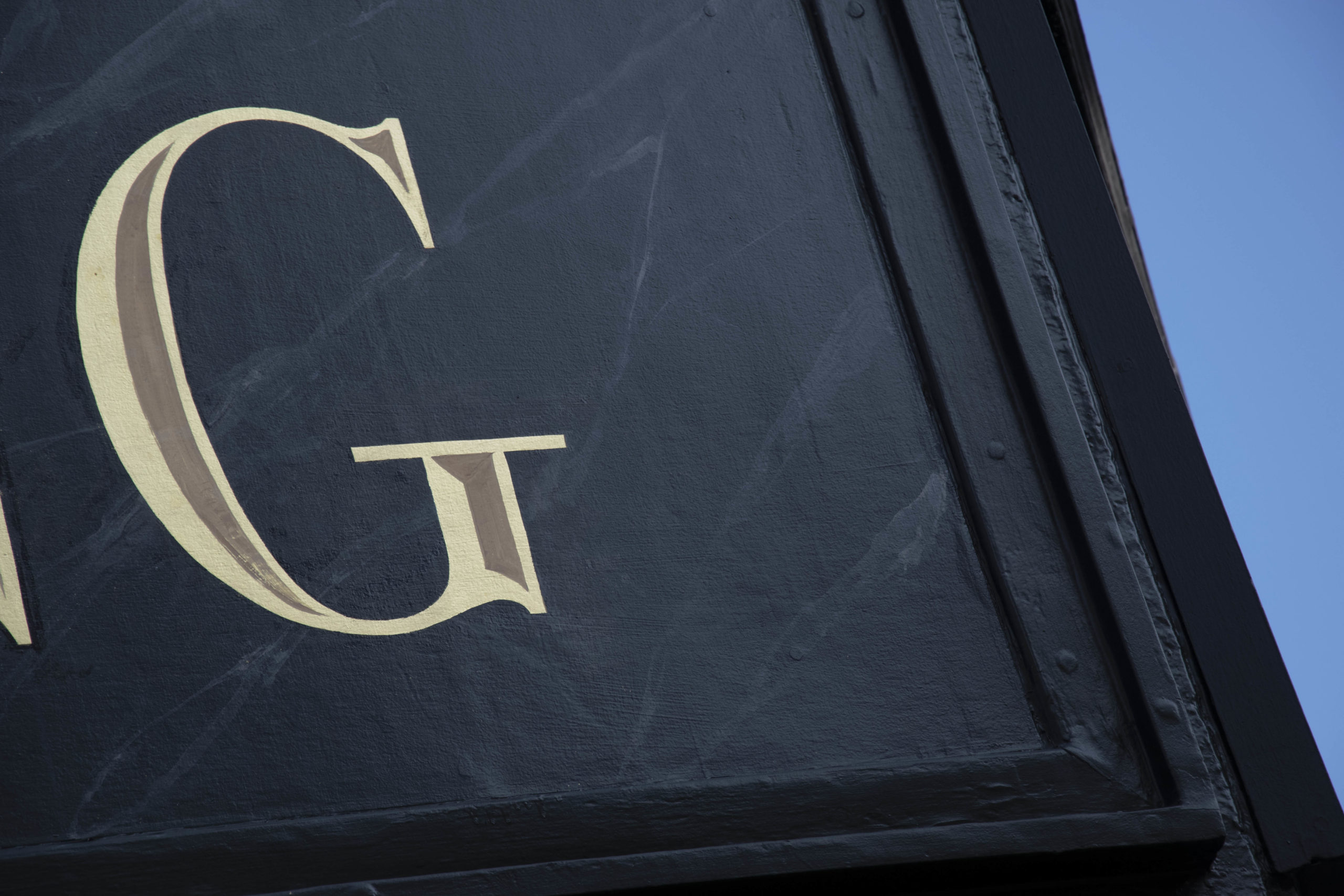

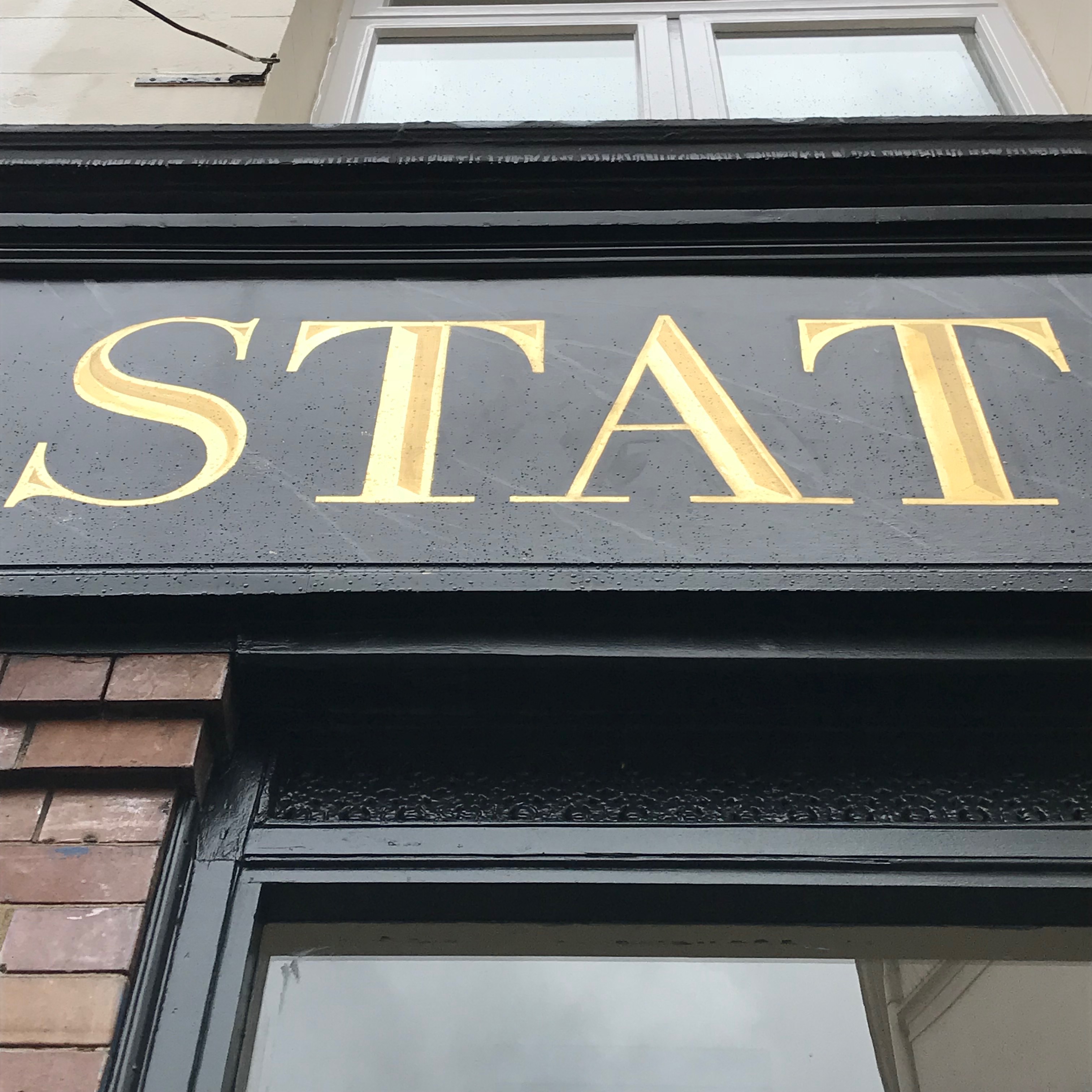
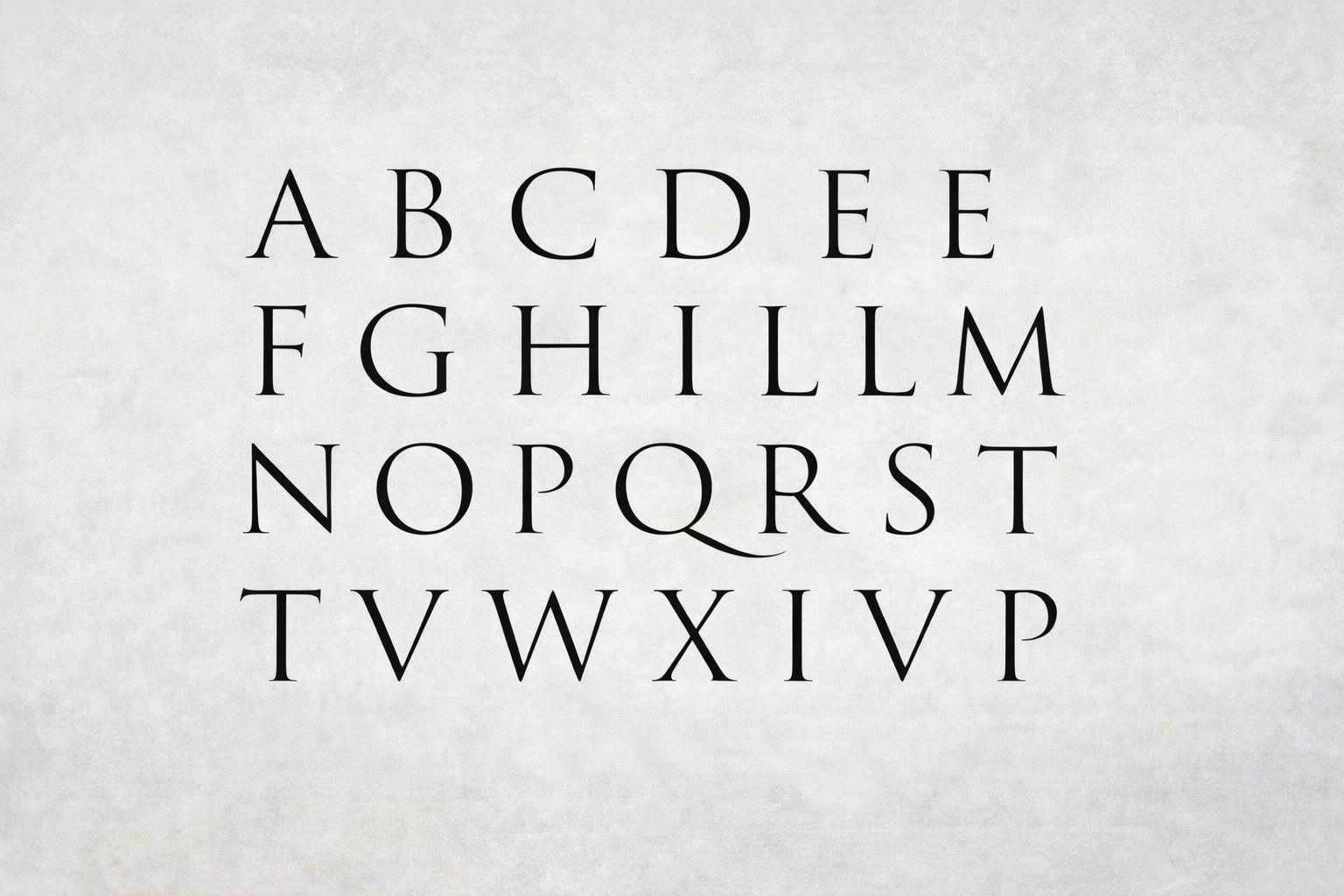
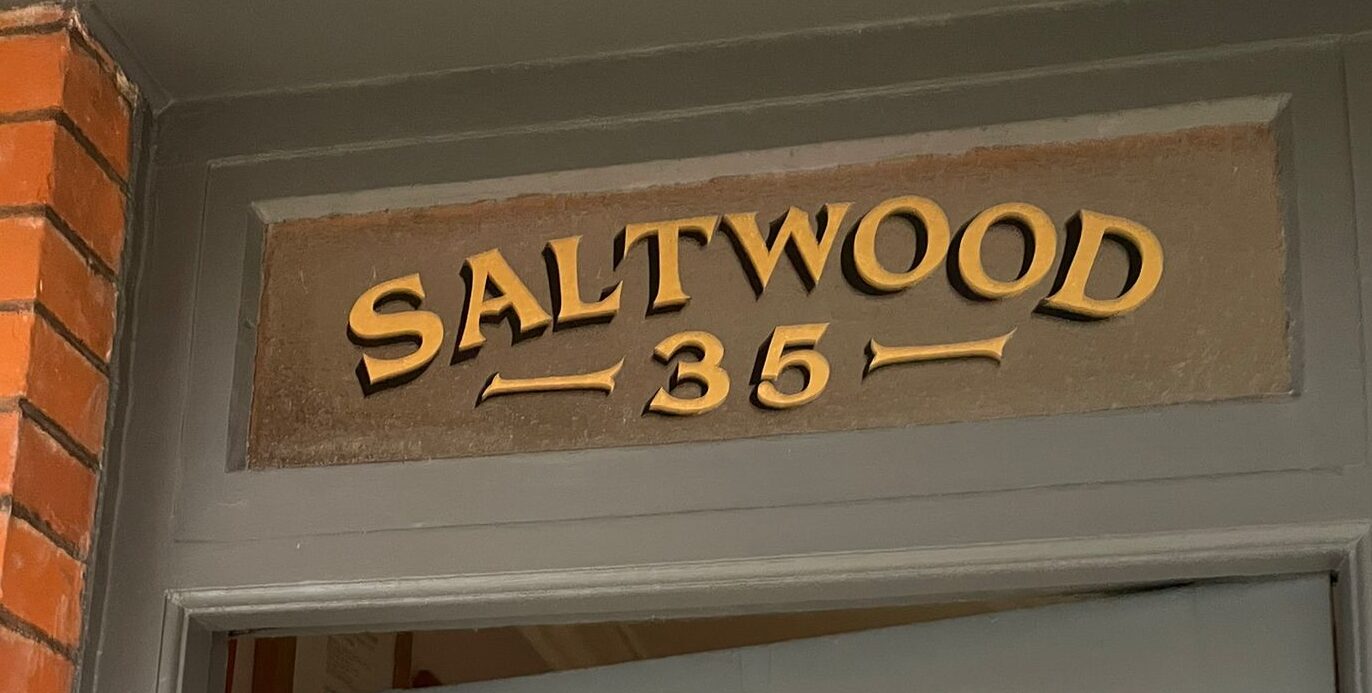
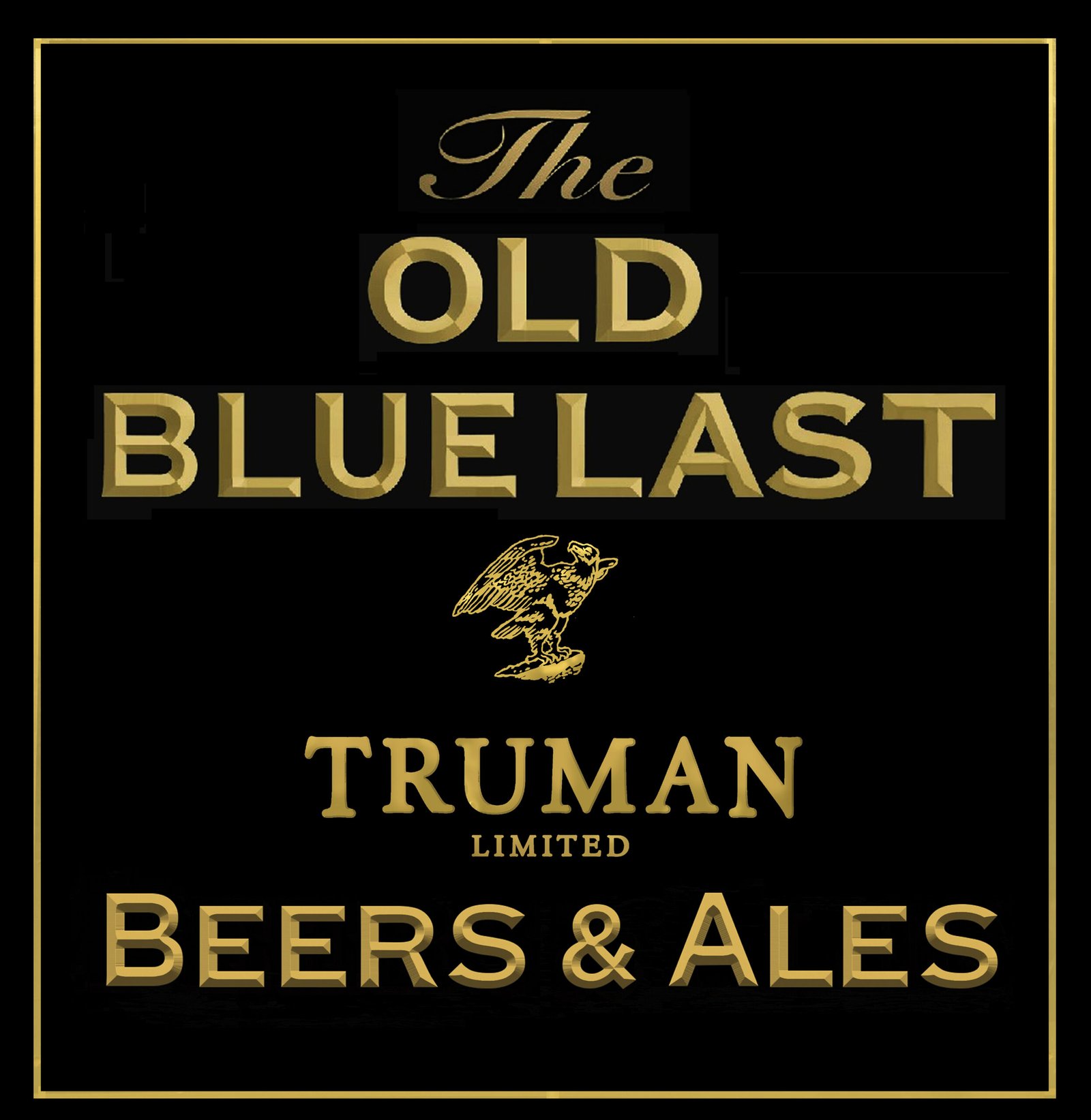
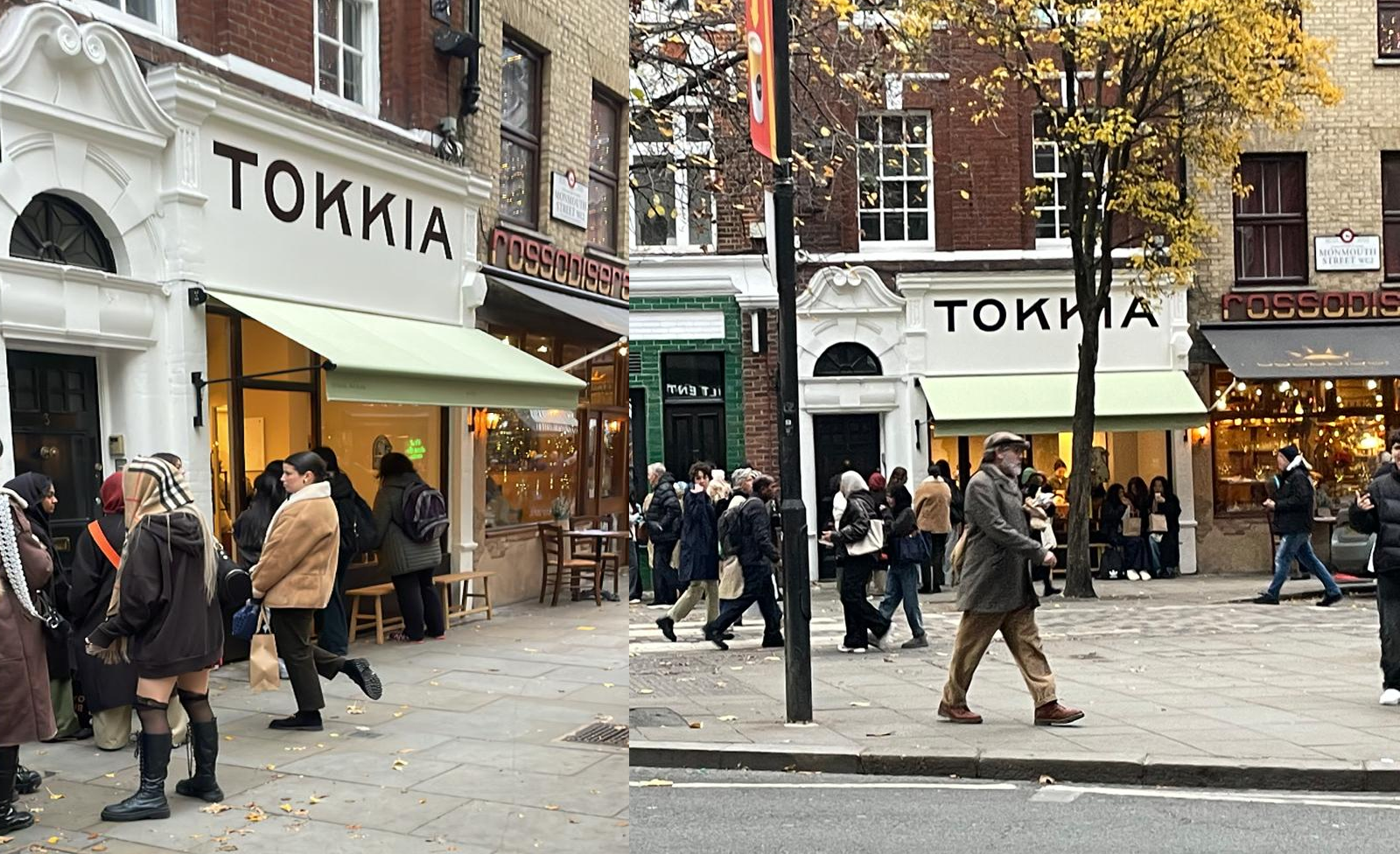
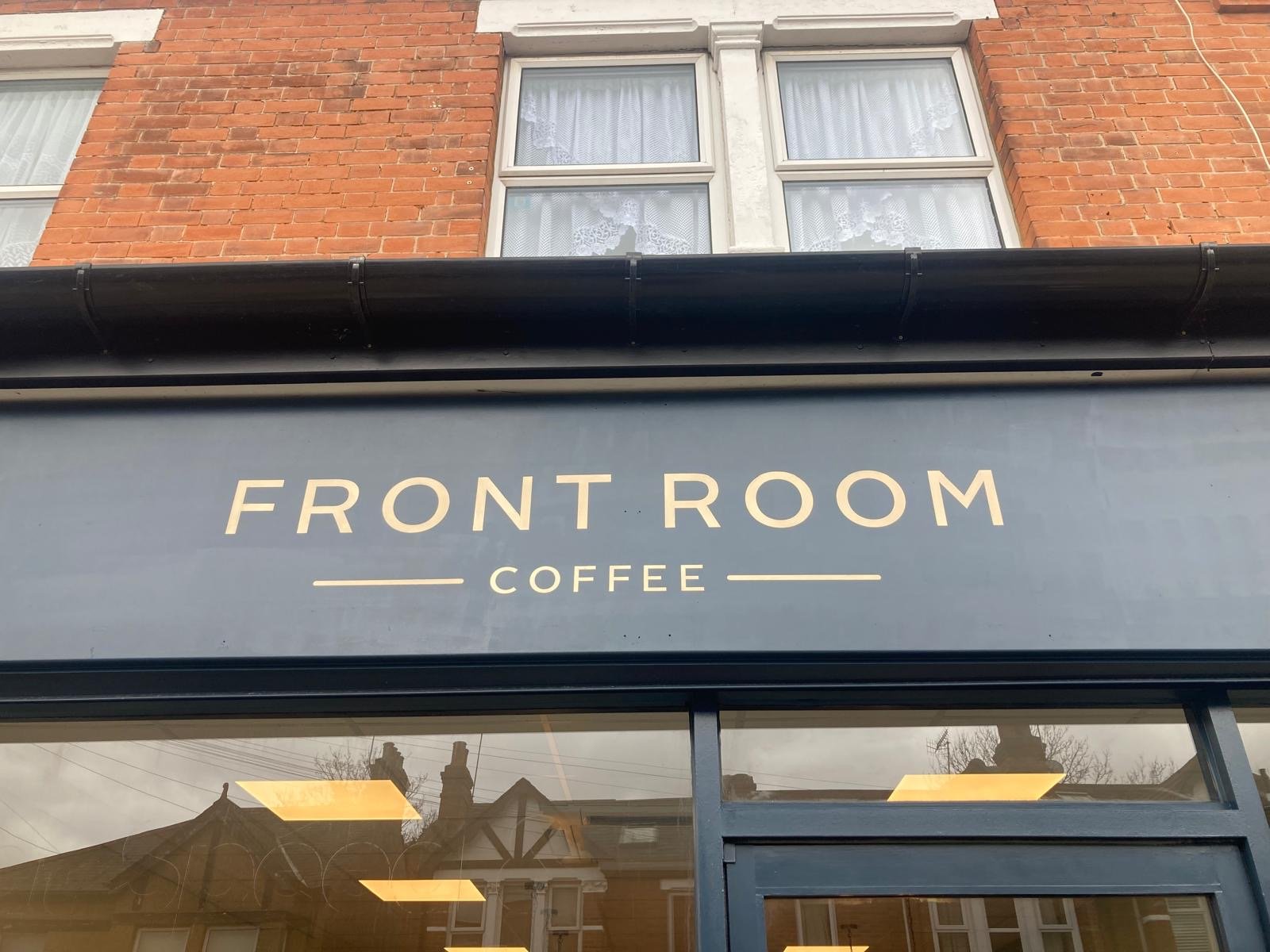
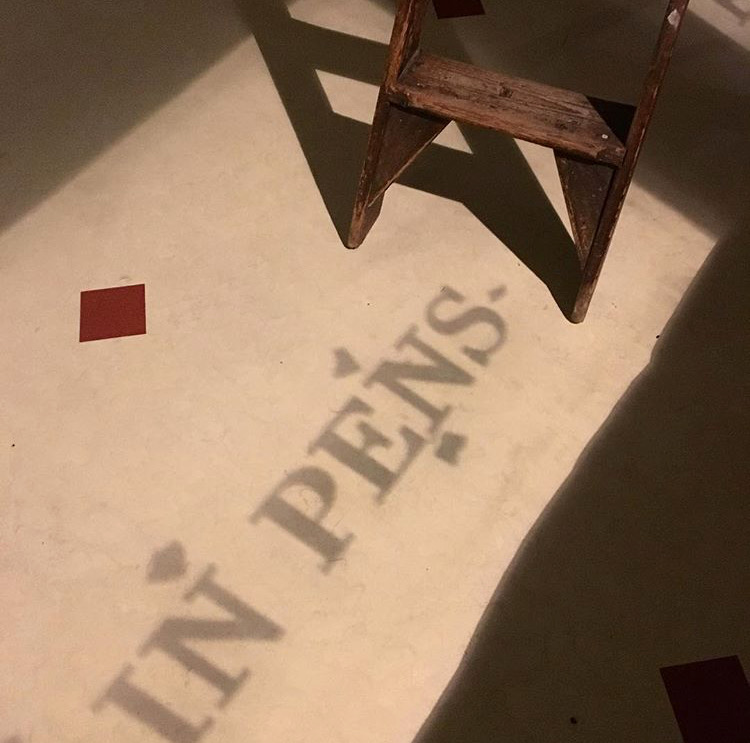

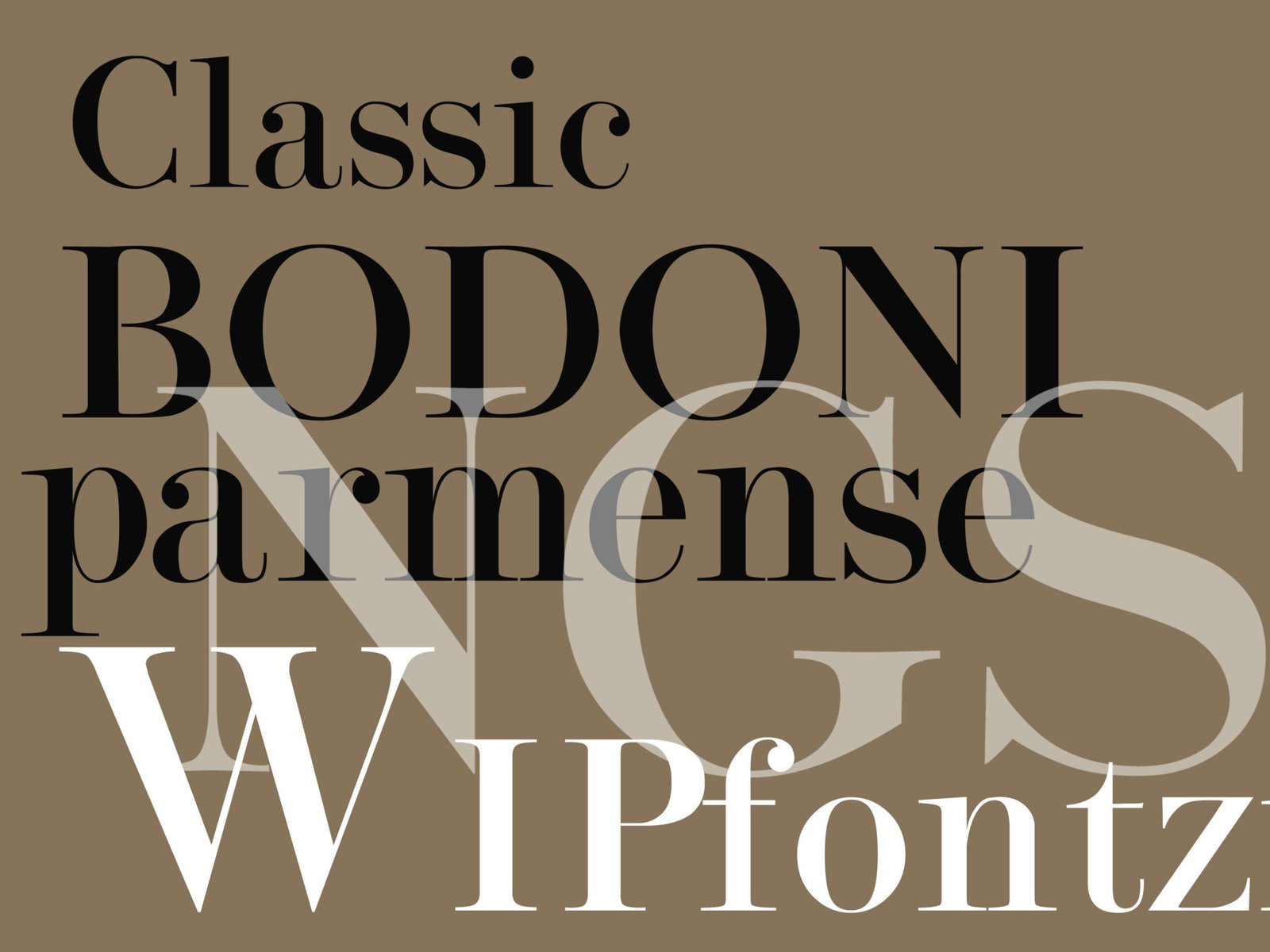

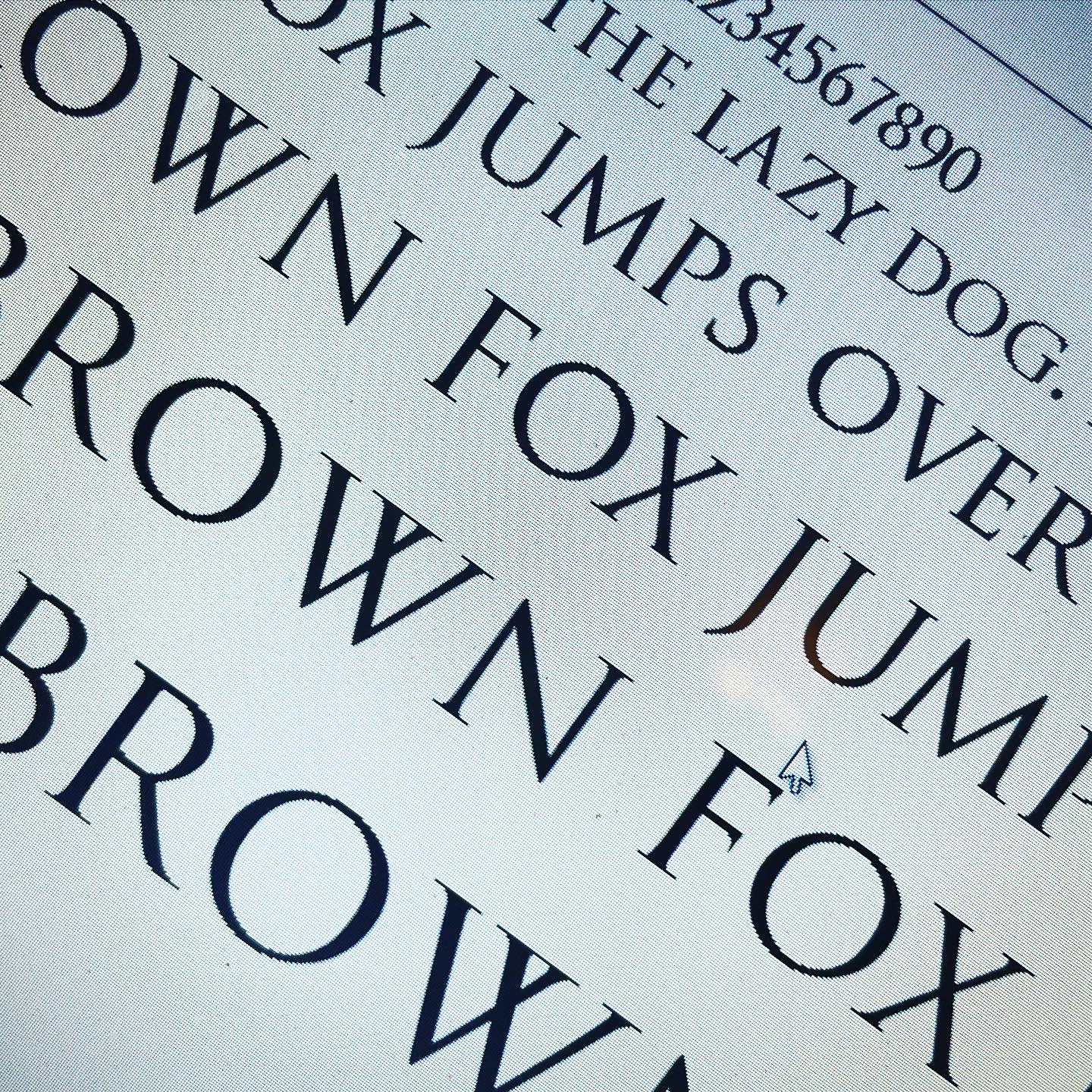
Our Classic Trajan Roman really aims to recreate the original hand painted contours of the original piece from Rome.
NGS Johnston Highbury Typeface [Font set of 9 versions]

The truecut NGS Johnston Highbury font up and running in 2021.
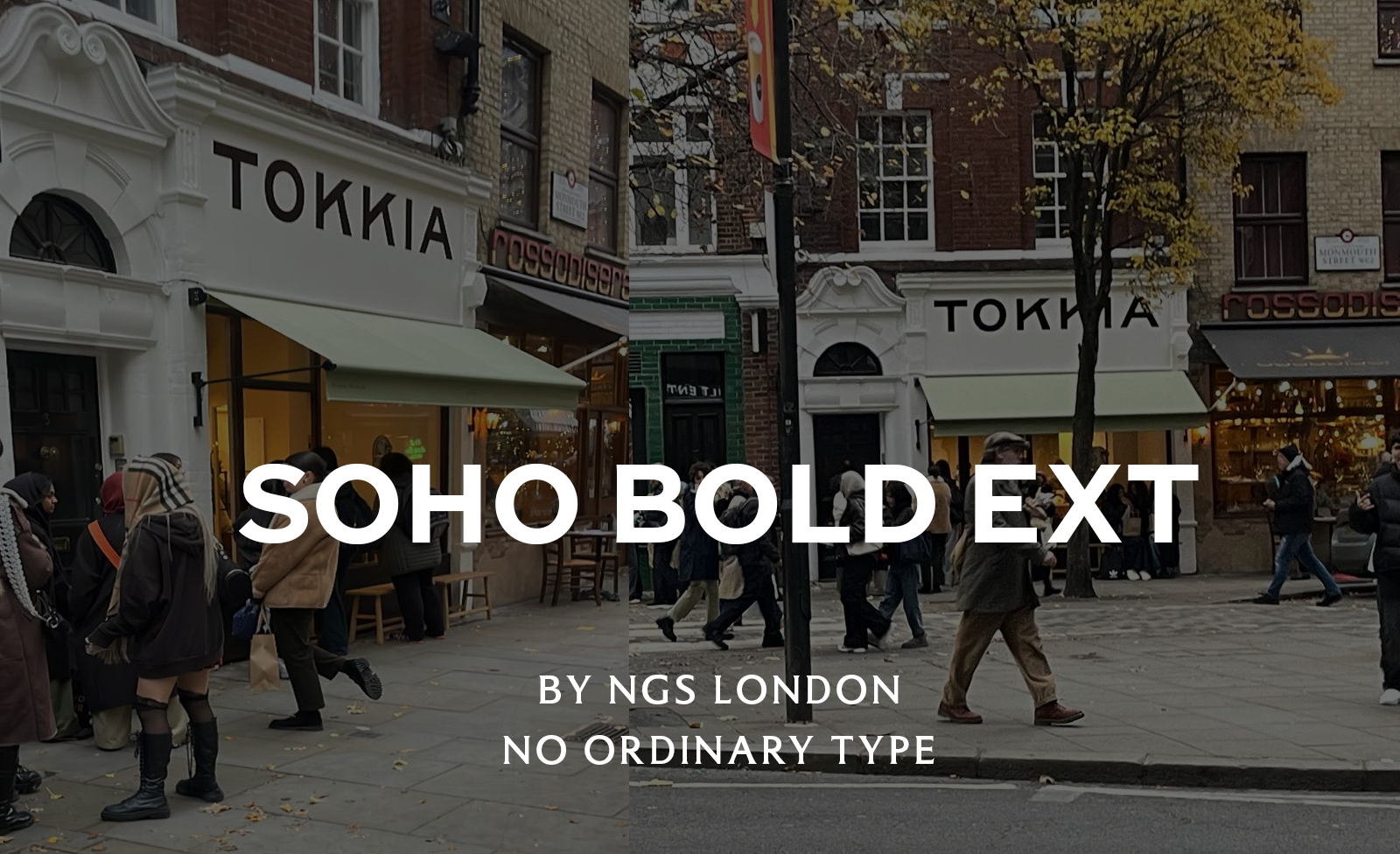
Soho Bold – NGS Bespoke Font set of 5 versions
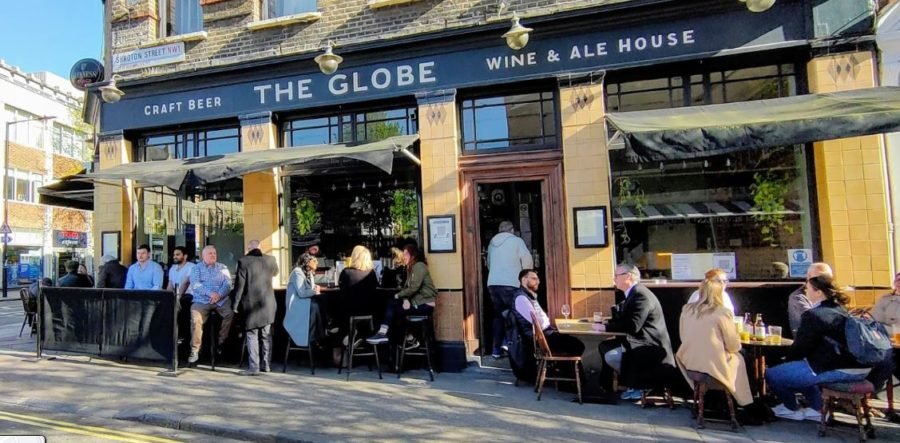
NGS Soho bold based on the san serif ‘block’ lettering found around Berwick and Wardour St.
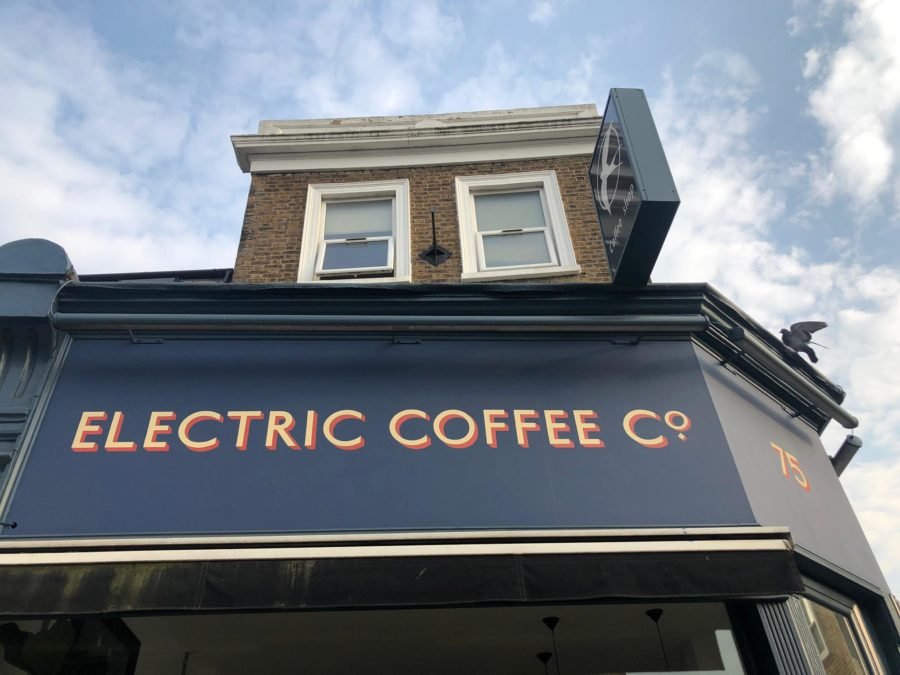
NGS Johnston ‘Highbury’ version. Serie 1 of 9 versions of this tremendous typeface.

Shall we get started?
Just find your way to us. Our desk is yours.
ENJOYING SOME REAL TYPE. NGS FONT EXEMPLARS.


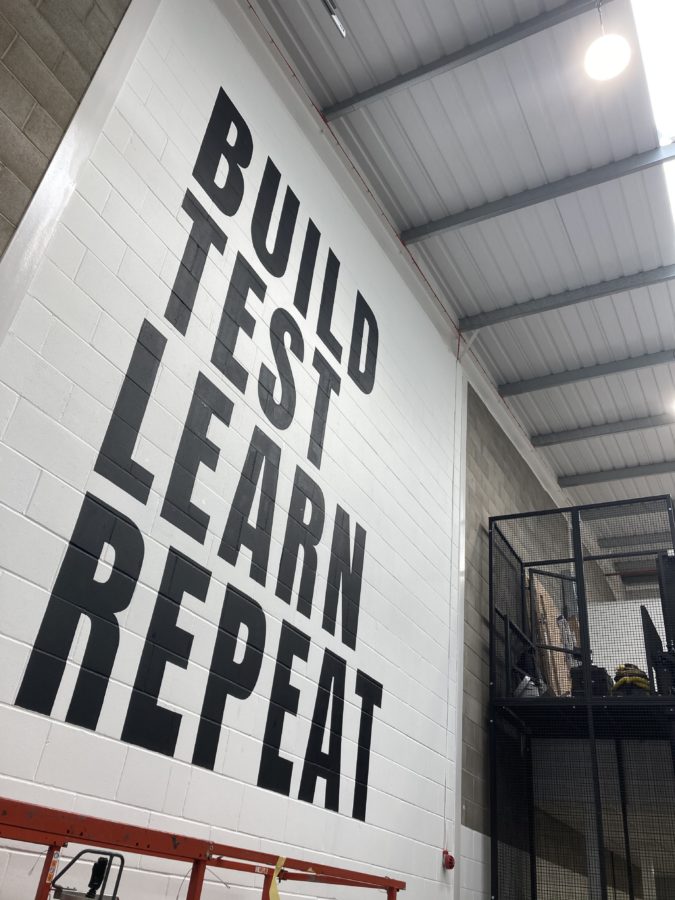
NGS Brick Lane based on the Repton posters and Dockland sign writing of the early 20th century era.

Historical London Type Archive
Article: CASLON FOUNDRY NGS INSIDER
Inside the world of the Caslon Foundry, Chiswell St
Article by the Gentle author – Read time 4-6 min
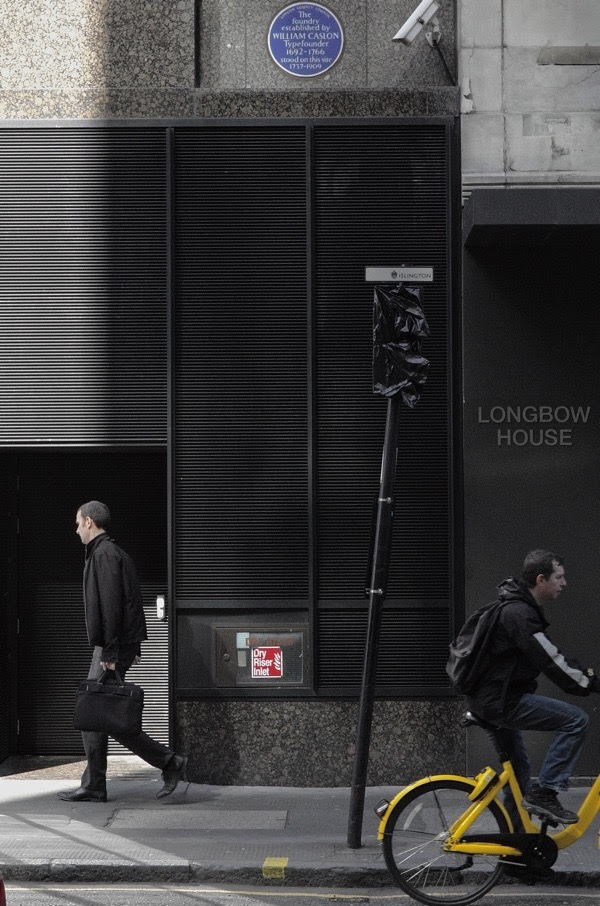
Chiswell St is a canyon lined with glass and steel buildings leading from Moorgate to the Barbican today, yet once this was the centre of printing in the City of London. The foundry established by William Caslon in 1737, Britain’s most celebrated type designer, stood here until 1937. For more than two centuries, Caslon was the default typeface for printing in the English language and when the Americans wanted to make their Declaration of Independence and publish their Constitution, they imported type from the Caslon Foundry in Chiswell St to do it.
These historic photographs from St Bride Printing Library, taken in 1902 upon the occasion of the opening of the new Caslon factory in Hackney Wick, record both the final decades of the unchanged work of traditional type-founding, as well as the mechanisation of the process that would eventually lead to the industry being swept away by the end of the century.
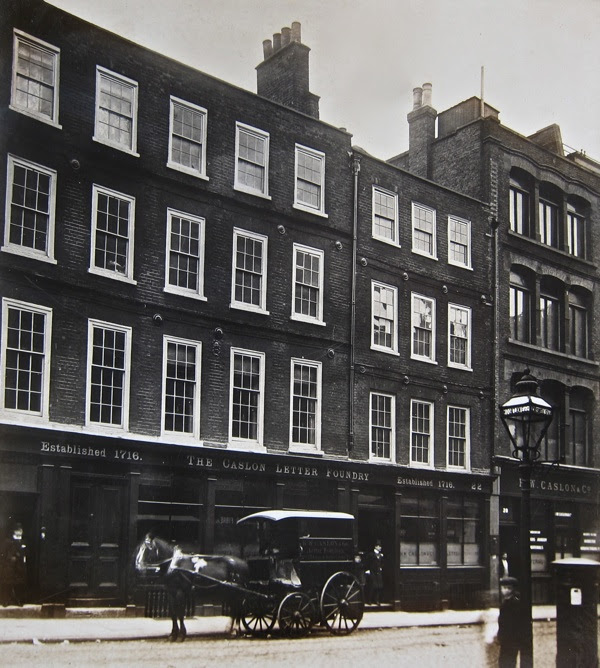
22/23 Chiswell St with Caslon’s delivery van outside the foundry
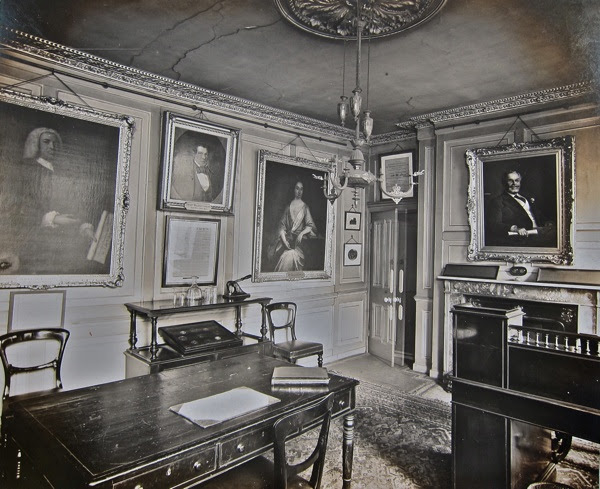
The Directors’ Room with portraits of William Caslon and Elizabeth Caslon
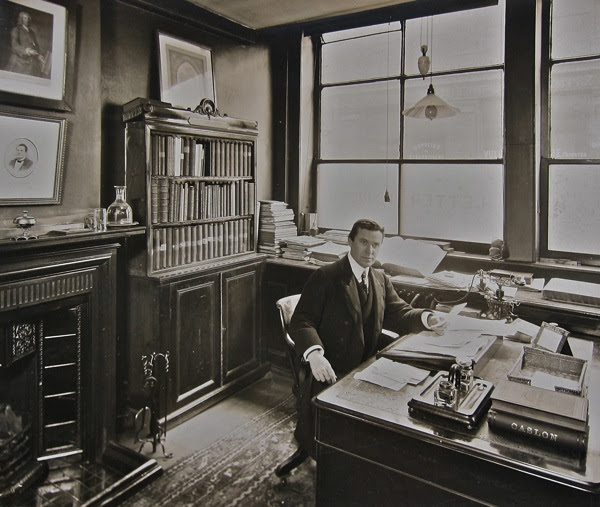
Sydney Caslon Smith in his office
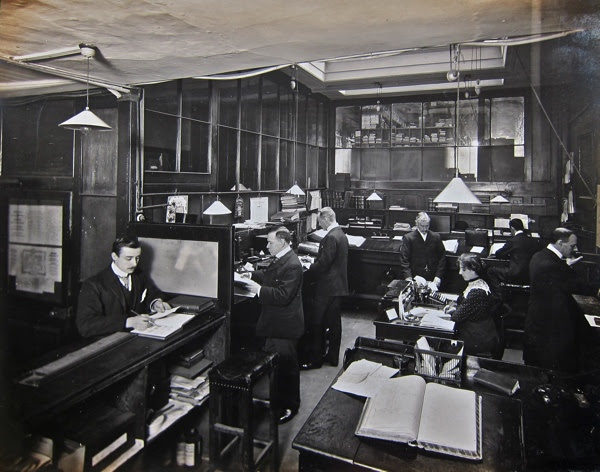
Clerks’ office, 15th November 1902. A woman sits at her typewriter in the centre of the office.
Type store with fonts being made up in packets by women and boys working by candlelight
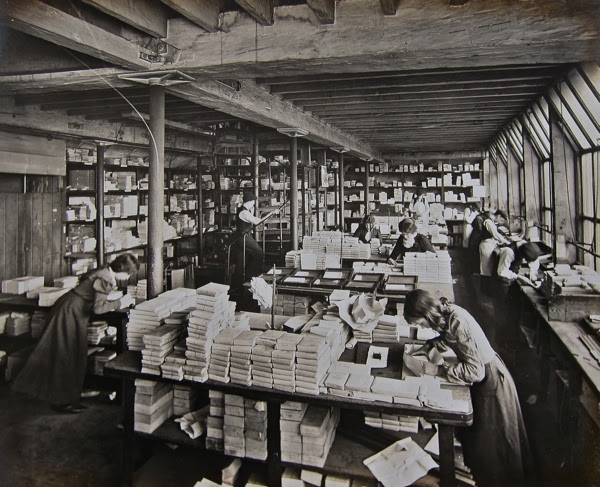
Another view of the type store with women making up packets of fonts
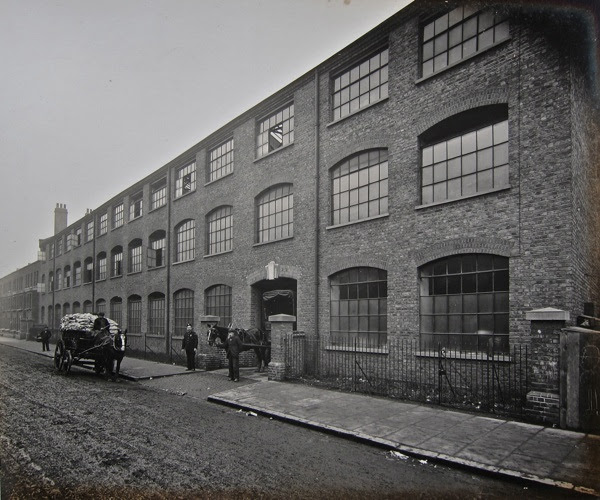
New Caslon Letter Foundry at Rothbury Rd, Hackney Wick, 1902
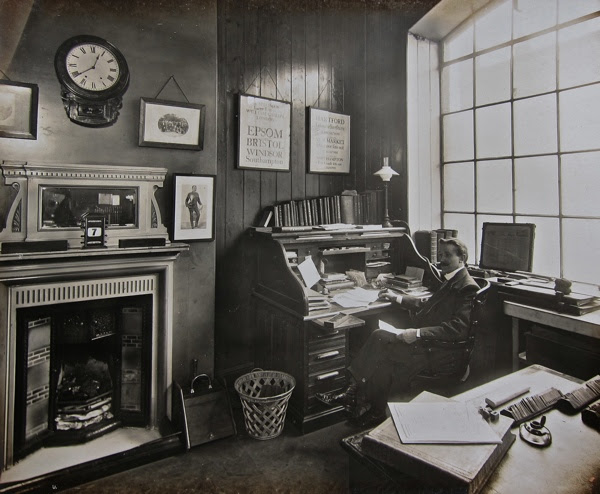
Harold Arthur Caslon Smith at his rolltop desk in Hackney Wick with type specimens from 1780 on the wall, Friday 7th November, 1902
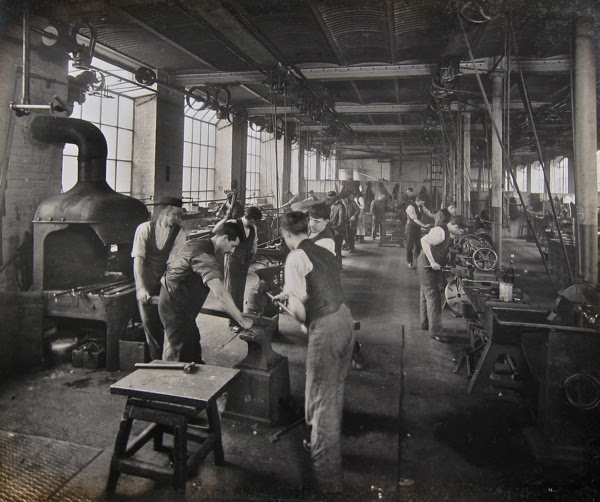
Hand forging in the Machine Shop
Another view of lathes in the Machine Shop
Type store with fonts being made up into packets
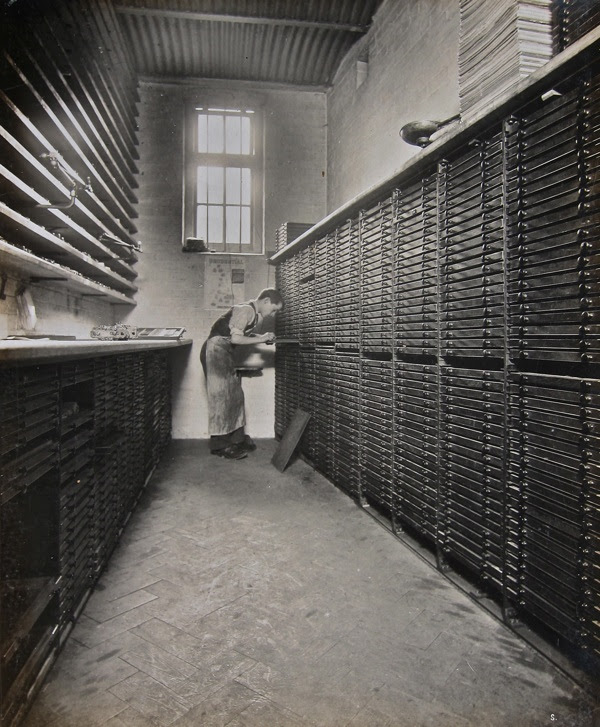
Type matrix and mould store
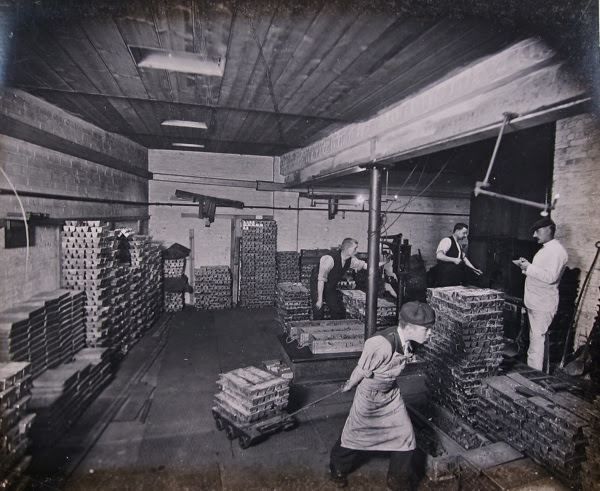
Metal store with boy hauling pigs upon a trolley
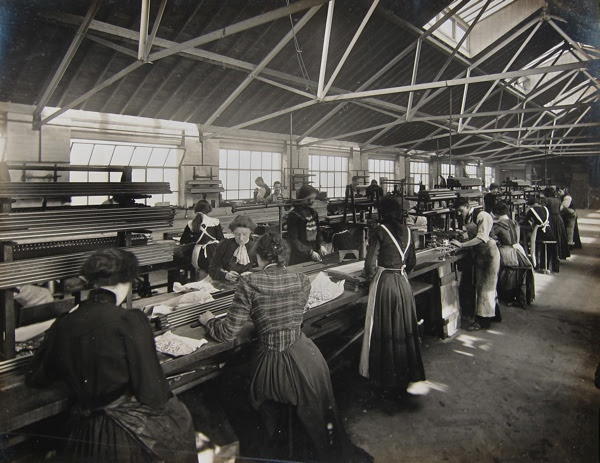
Founting Shop, with women breaking up the type and a man dressing the type
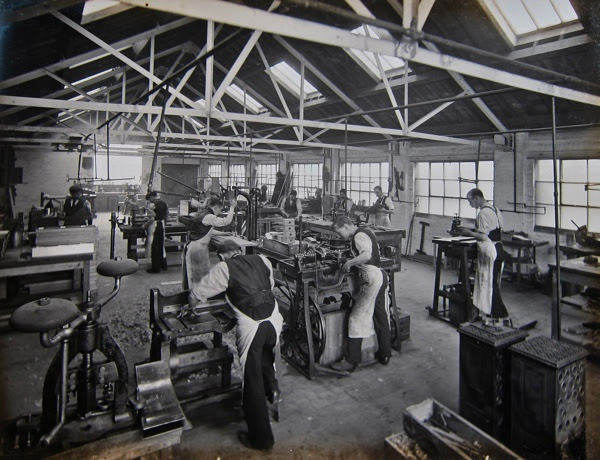
Machine shop on the top floor with a fly-press in the bottom left
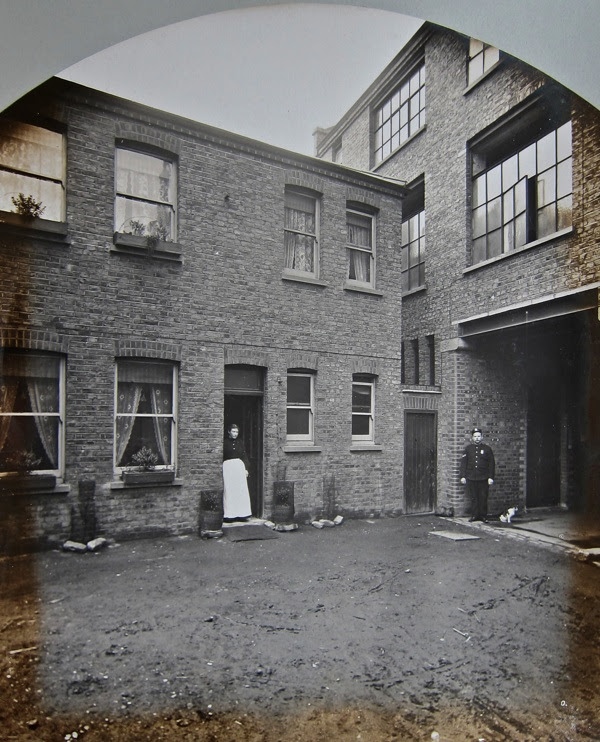
Caretaker’s cottage with caretaker’s wife and the factory cat
Photographs courtesy St Bride Printing Library
You may also like to read about
William Caslon, Letter Founder