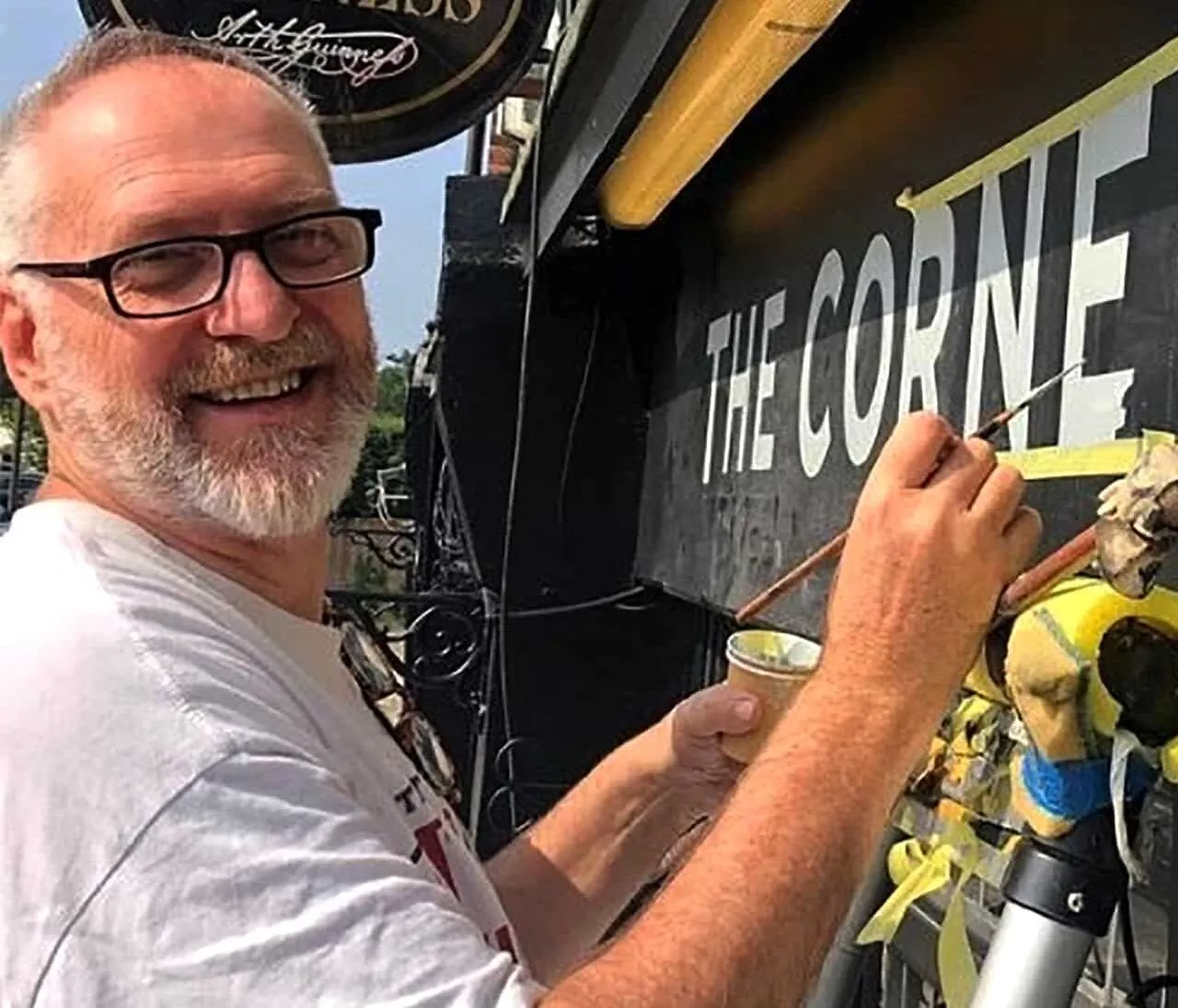

The photography of
Oliver Wilkins
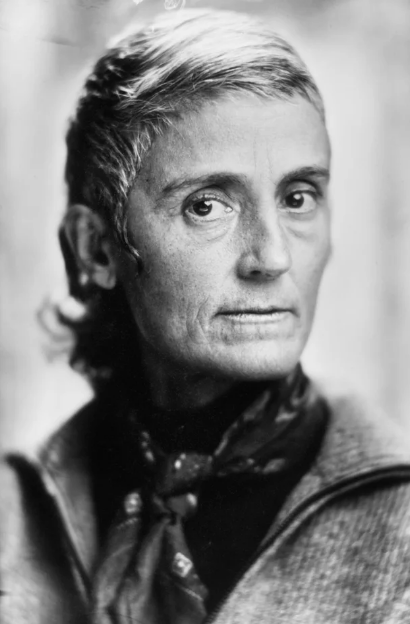
Introducing this breathtaking art: ‘Tin Type’ Victorian wet plate photography.
After twenty years directing independent documentaries and films worldwide—from the streets of Katmandhu to the front lines of the Middle East—I’ve turned my lens toward a slower, more tactile form of storytelling.
Today, I travel with 19th-century wet-plate chemistry and equipment, creating unique, unrepeatable silver portraits that capture the raw individuality of individuals, life, land, and community. My work balances this historical photographic alchemy with long-form, independent film projects focused on deeply personal human stories.

Visit the Oliver Wilkins Gallery here

Magical Victorian wet plate photography
Invented by Frederick Scott Archer in 1851, Victorian wet plate photography (the wet collodion process) combined high-detail glass negatives with quick exposure times. Photographers had to coat, expose, and develop a glass or metal plate within a strict 15-minute window while the chemical solution remained wet.
Each year the world is filled with hundreds of billions of digital photographs that have mass overload swipe-value, showing little character, significance or most importantly, physical form. These photographs have a very small chance to make it 20 years into the future, much less the next 200 years. They are stored on phones, memory cards, and hard drives, never to be printed or held in your hands.
That is not the case for the magical and historic process of creating these incredible wet plate photographs. Once created and captured, the image is immortalized into a precocious and tangible medium that once viewed, leaves a lasting impression on the viewer and the world. Each wet plate image contains a shimmering, soulful image, created from pure silver. It will not only remain instantly memorable but to survive our lifetimes for many generations to come.
Gallery Projects
https://www.oliverwilkins.com/projects